Understanding Cape Cod Home Design
Historical Roots of Cape Cod Homes
The origin of the cape cod home can be traced back to the early 17th century in New England. The architecture emerged as a response to the harsh climate and the practical needs of settlers. The design was influenced by the homes of English fishermen and farmers, and it was marked by simplicity and functionality. This design ethos is a hallmark of Cape Cod homes, characterized by steeply pitched roofs, dormer windows, and symmetrical facades. Such features were not only aesthetically pleasing but also practical, allowing snow to slide off the roof while maximizing interior space. Historically, many homes were constructed using local timber, further grounding them in the New England landscape.
Key Architectural Features
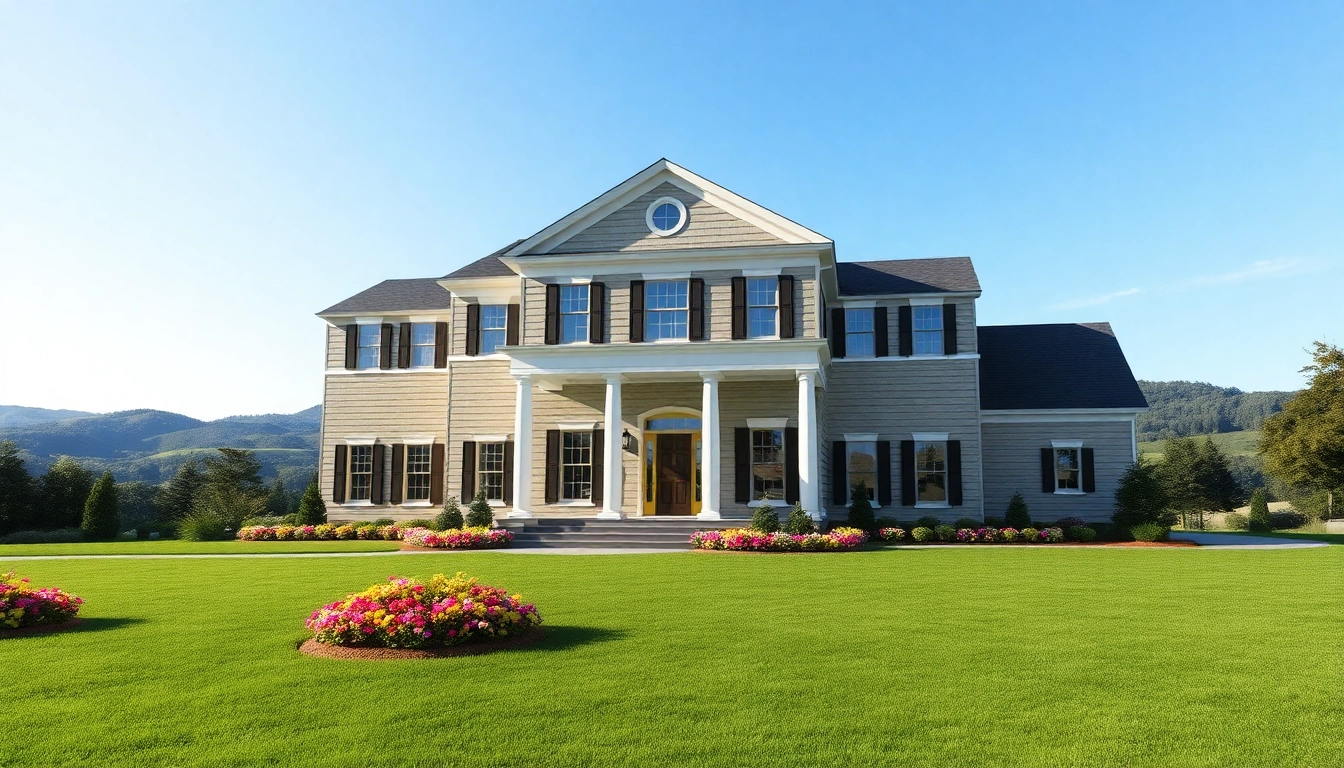
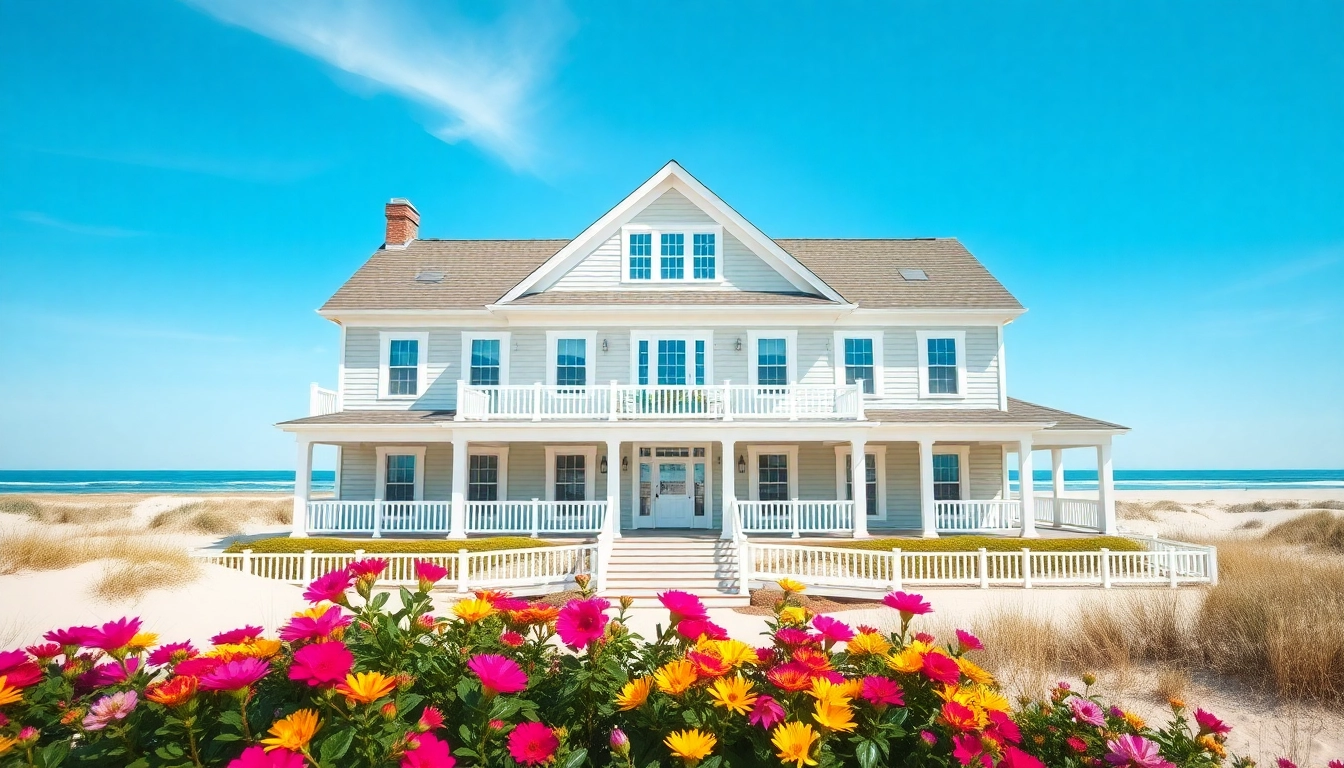
One of the defining features of Cape Cod homes is their low, compact form. These houses often feature one or one-and-a-half stories, with a steep, gabled roof that enhances their cozy appearance. Another prominent characteristic is the dormer, which allows natural light into the upper rooms while adding to the home’s exterior charm. The windows are typically double-hung and symmetrical, which creates a balanced look. Furthermore, many Cape Cod homes showcase shutters that are both functional and decorative, contributing to their quintessential New England charm. The entryways are often accentuated with simple porches, creating a welcoming atmosphere and offering sheltered entry during rain or snow.
Materials Commonly Used in Cape Cod Homes
The materials chosen for Cape Cod homes reflect the practicality and geographic resources available to the builders. Traditionally, these homes are crafted from wood timber, with shingles emerging as a popular outer finish. Cedar and pine shingles are common, as they provide durability against coastal conditions while requiring minimal maintenance. The exterior is often painted in muted, natural colors that blend harmoniously with the seaside landscape. Additionally, the use of brick or stone is observed in the foundation of some homes, contributing to their sturdiness and enhancing insulation. Such natural materials not only emphasize sustainability but also ensure that these homes withstand the test of time.
Benefits of Owning a Cape Cod Home
Timeless Style and Aesthetic Appeal
Owning a Cape Cod home means embracing a design that has stood the test of time. The style resonates with both tradition and modernity, appealing to a wide range of aesthetics. The charm of the architecture draws upon classic elements that evoke nostalgia while remaining relevant in contemporary designs. Moreover, the inherent simplicity of Cape Cod homes allows homeowners the opportunity to paint or furnish their spaces in ways that reflect personal taste—be it coastal chic or modern minimalism. This versatility makes Cape Cod homes desirable in various markets, maintaining high resale value.
Energy Efficiency in Design
Another key benefit of Cape Cod homes is their energy efficiency. The compact design contributes to reduced heating and cooling costs; smaller spaces typically require less energy to maintain comfortable temperatures. Moreover, the steep roof pitch is highly effective in shedding snow and rain, leading to reduced wear and tear on the roof itself. Many modern iterations of the cape cod home incorporate energy-efficient windows and insulation materials that further enhance energy savings. By adopting sustainable practices and materials, homeowners can significantly reduce their environmental footprint while enjoying comfortable living spaces year-round.
Space and Functionality
Cape Cod homes are often designed with functionality in mind, a factor that appeals to families and individuals alike. The layout typically features an open-concept living space that maximizes the utility of the square footage without compromising on comfort. Popular elements such as built-in seating and multipurpose rooms provide flexibility for families as they grow or change. Furthermore, the arrangement of spaces often allows for easy flow between the indoor and outdoor living areas, fostering a connection with nature that many residents cherish. Whether used for entertaining or everyday living, the spaces in a Cape Cod home are designed to adapt, making them an ideal choice for homeowners seeking practicality alongside charm.
Planning Your Cape Cod Home Expansion
Assessing Your Needs and Goals
When contemplating an expansion of your Cape Cod home, it is essential first to assess your specific needs and goals. Consider the size of your family, your lifestyle, and how you use the space currently. Are you looking to add bedrooms, or perhaps a home office or recreational space? Conducting an inventory of your possessions and how they are utilized will help pinpoint areas for improvement. Engaging members of the household in this discussion can also be beneficial, ensuring collective satisfaction with the expansion plans. Establishing a clear vision will guide you through the subsequent steps of design and execution.
Designing for Modern Living
Today’s homeowners often seek a blend of traditional aesthetics with modern functionality. The design phase of your expansion allows for this integration. Consider features such as open floor plans, which are popular in contemporary home design, while remaining respectful to the original Cape Cod style. Utilizing natural light through larger windows or skylights can also modernize the space without losing its charm. Additionally, think about incorporating sustainable materials and smart home technologies that not only enhance comfort but also contribute to the home’s energy efficiency. Collaborating with an architect experienced in Cape Cod designs can help balance traditional elements with modern upgrades.
Permits and Regulations to Consider
Before embarking on any home expansion project, understanding the necessary permits and local regulations is crucial. Each municipality has guidelines governing the size, style, and location of residential expansions, especially in historically significant neighborhoods. Engaging with your local planning department can help navigate these regulations efficiently. It may also be prudent to consult a lawyer or land use professional for more complex zoning regulations. Complying with these requirements from the outset can help avoid potential headaches and ensure that your expansion is completed legally and successfully.
Decorating Your Cape Cod Home
Emphasizing Coastal Themes
To truly capture the essence of a Cape Cod home, embracing coastal themes in your decor is an effective approach. Nautical stripes, muted blues, soft whites, and sandy beiges mirror the natural surroundings and can be integrated into textiles, artwork, and furnishings. Accessories like driftwood-inspired decor or seashell collections can add subtle texture and interest. Furthermore, selecting decor that incorporates natural elements, such as jute rugs or wicker furniture, reinforces the coastal aesthetic. By reflecting the beauty of the surrounding sea and landscapes, you create an inviting atmosphere that embodies the Cape Cod lifestyle.
Color Palettes That Enhance Space
Choosing the right colors is paramount in maximizing the aesthetic appeal of your Cape Cod home. Light and airy color palettes can make spaces feel larger and more open. Soft whites and pale blues can evoke tranquility while bright colors can add a lively touch without overwhelming the senses. Accent colors should be used strategically to highlight specific features, such as door frames, window shutters, or even furnishings. This can draw attention to the architectural details that define the Cape Cod style. Incorporating natural hues that reflect the outdoors can create a seamless connection between interior and exterior spaces.
Furniture and Layout Tips
Furnishing a Cape Cod home requires a balance between style and comfort. Opting for furniture with clean lines and natural materials can retain the rustic charm of the home while providing modern comforts. Functionality should be prioritized; pieces that offer storage or can serve multiple purposes are ideal in maximizing space. As for layout, creating cozy, defined areas within an open space can provide intimacy without feeling enclosed. Consider grouping furniture in a way that encourages conversation and connection. Ultimately, the layout should foster a welcoming environment that resonates with the relaxed, coastal lifestyle.
Frequently Asked Questions About Cape Cod Homes
What makes a Cape Cod home unique?
A Cape Cod home is unique due to its steep roof, symmetrical design, dormer windows, and shingle siding, echoing New England’s coastal charm and practicality.
How can I modernize my Cape Cod home?
Modernizing a Cape Cod home can involve open floor plans, integrating sustainable materials, larger windows for natural light, and smart home technologies while preserving its historic character.
What are the common issues with Cape Cod homes?
Common issues include poor insulation, maintenance of wooden exteriors, and potential water damage due to proximity to coastal elements. Regular inspections can mitigate these problems.
How to maintain a Cape Cod home?
Regular cleaning and inspection of shingles, timely repainting, ensuring proper insulation and ventilation, and maintaining plumbing and electrical systems ensure longevity for Cape Cod homes.
Are Cape Cod homes energy efficient?
Yes, Cape Cod homes can be energy-efficient due to their compact design and modern updates like improved insulation and double-glazed windows, reducing heating and cooling costs.