Understanding the Basics of Ice Maker
What is an Ice Maker?
An ice maker is a kitchen appliance designed specifically for producing ice. Ice makers can be standalone units or integrated into larger appliances like refrigerators. They facilitate the production of ice cubes, which can be used in beverages, food preservation, and cooking. By utilizing a water source and electricity, modern ice makers provide a steady stream of ice on demand, thereby eliminating the need for manual ice trays or constant trips to the store for pre-packaged ice. They come in various designs and capacities, catering to different consumer needs.
How Does an Ice Maker Work?
The operation of an ice maker is relatively simple yet efficient. Most operate by drawing water from a supply line, which is then filtered and chilled. This process typically involves the following steps:
- Water Filling: The appliance fills a tray with water from the supply line.
- Freezing: The water is then frozen using either a refrigeration process or ice cubes are made by using a cold plate that lowers in temperature.
- Ice Harvesting: Once formed, the ice is released from the tray, often utilizing a heated element that melts the ice slightly for easy removal.
- Storage: The ice is then stored in a designated compartment until needed.
This continuous and automated process allows ice makers to produce ice in a timely fashion, catering to both home users and commercial kitchens alike.
Types of Ice Makers Available
Ice makers come in several types, serving different functions and spaces. The most common types include:
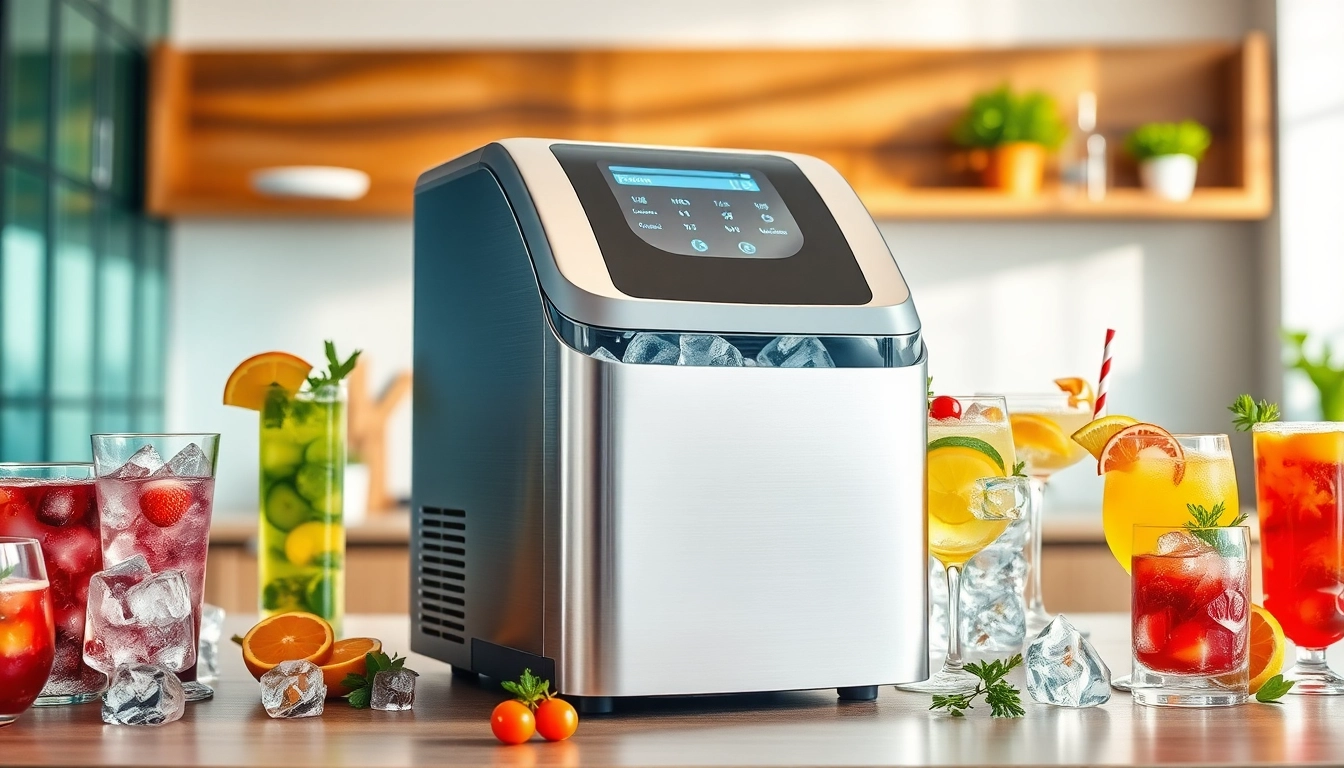
- Countertop Ice Makers: Compact and portable, these units can be placed on kitchen counters and are ideal for small gatherings or personal use.
- Under-Counter Ice Makers: These are installed under countertops and are perfect for homes, bars, or restaurants that require a consistent ice supply.
- Modular Ice Makers: These larger systems are designed for commercial use. They produce significant quantities of ice and can be paired with storage bins.
- Nugget Ice Makers: Known for producing chewable ice, these are popular in hospitality settings for their unique texture.
- Commercial Ice Makers: Often used in restaurants and bars, these machines produce a high volume of ice quickly and are designed for heavy-duty use.
Benefits of Having an Ice Maker at Home
Convenience in Daily Life
One of the primary advantages of owning an ice maker is convenience. No longer do users have to remember to fill trays or worry about running out of ice during gatherings. Instead, an ice maker provides a reliable supply of ice at the push of a button. In addition to saving time, this appliance allows for better meal preparation and drink presentations, ensuring that hosts can serve chilled beverages effortlessly.
Cost-Effectiveness Over Time
Although the initial investment in an ice maker can be significant, the long-term savings are noteworthy. By producing ice at home, users minimize the need to buy bags of ice from the store, which can be especially costly during hot months or on special occasions. Furthermore, an ice maker eliminates the use of disposable ice trays, which are both inconvenient and wasteful, ultimately contributing to more sustainable living.
Variety of Ice Types for Every Occasion
Different occasions and beverages call for different types of ice. Ice makers can produce various ice styles, such as cubes, flakes, and nuggets, allowing for versatility in drink preparation. This variety ensures that no matter the event—be it a formal dinner party or a casual BBQ—hosts can embellish their drinks with the right ice type, enhancing both aesthetics and functionality.
Choosing the Right Ice Maker for Your Needs
Factors to Consider When Buying
Selecting the right ice maker requires careful consideration of several factors:
- Ice Production Capacity: Consider how much ice you typically use. Size and capacity vary widely, ranging from producing just a few pounds to upwards of 100 pounds of ice per day.
- Size and Design: The physical dimensions of the ice maker must fit your available space. Some models are designed for compact areas while others are larger and need ample cabinet or countertop room.
- Ice Type: Determine whether you prefer traditional cube ice, soft crushed ice, or nugget ice, as different models cater to different preferences.
- Energy Efficiency: Look for energy-efficient designs which consume less power, subsequently lowering operational costs over time.
Ice Production Capacity Explained
The ice production capacity is a critical measure that specifies how much ice an ice maker can produce within a defined period, usually 24 hours. Models vary greatly, from personal use makers producing as little as 20 pounds per day, to commercial units that can yield several hundred pounds per day. When selecting an ice maker, it’s essential to assess your typical usage patterns to determine the appropriate capacity that will meet your needs without causing frequent shortages.
Design Considerations for Your Space
Before purchasing an ice maker, evaluate the space where it will be located. Measure the area to determine the maximum dimensions that will fit without crowding the kitchen or bar area. Additionally, aesthetic considerations should not be overlooked; choose a model that complements your existing kitchen decor and aligns with your personal style.
Care and Maintenance for Your Ice Maker
Regular Cleaning Protocols
To ensure optimal performance and longevity of your ice maker, regular cleaning and maintenance are crucial. Here are essential care routines to implement:
- Daily Cleaning: Wipe down external surfaces to remove dust and stains, and thoroughly rinse any removable parts as necessary.
- Weekly Maintenance: Empty out any stale ice and clean the water reservoir and ice bin to prevent odor or mold.
- Deep Cleaning: Monthly deep cleaning should include using vinegar or a commercial descaler to remove mineral buildup and ensure ice purity.
Troubleshooting Common Issues
Ice makers may encounter several common issues, such as:
– No ice production: Check the water supply and ensure the unit is plugged in.
– Ice quality issues: Contaminated water may result in off-flavors; ensure proper cleaning and use filtered water where available.
– Clogged vents or filters: Regularly inspect and replace filters as needed to maintain airflow.
Ensuring Longevity of Your Ice Maker
For longevity, consistently follow and adhere to manufacturer’s guidelines. Ensure the ice maker is placed in a cool, ventilated area away from heat sources. Furthermore, routinely check for wear and tear on components, and replace any damaged parts promptly to avoid further complications. Regular maintenance not only extends the machine’s lifespan but also ensures that it operates at peak efficiency.
Frequently Asked Questions About Ice Maker
Is it worth purchasing an ice maker?
While initially a financial investment, an ice maker saves time and provides a steady ice supply, making it worthwhile for frequent ice users.
How long does it take to make ice?
Most residential ice makers can produce a batch of ice in about 6 to 15 minutes, depending on the unit and ice type.
Can I use my ice maker for commercial purposes?
While some ice makers are designed for commercial use, most residential models may not endure heavy usage over time.
What are the energy efficiency ratings for ice makers?
Energy efficiency ratings vary, but many models now comply with Energy Star standards, ensuring lower utility bills.
Are ice makers noisy during operation?
Noise levels vary by model; however, newer designs have improved quietness and operate at minimal decibels.