Understanding Railroad Construction
What is Railroad Construction?
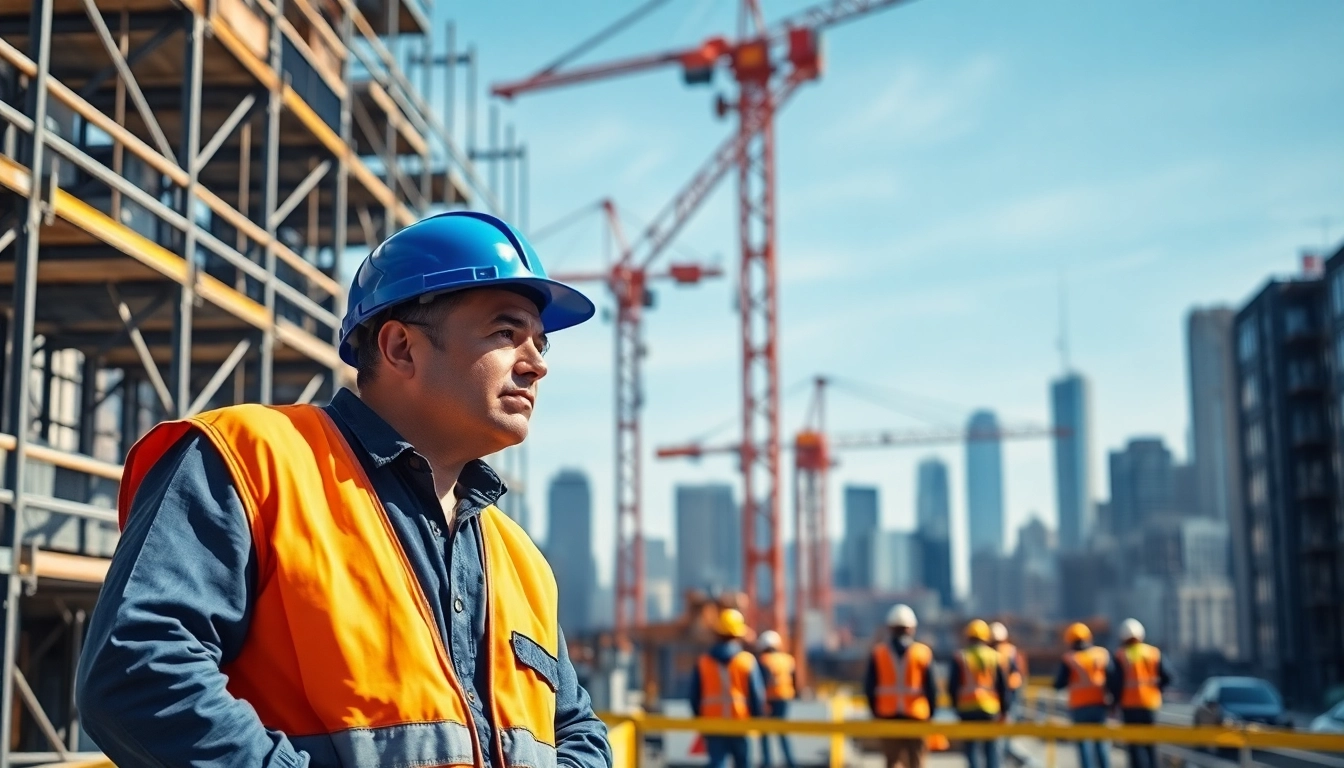
Railroad construction refers to the comprehensive process of building and maintaining the infrastructure that supports railway systems. This includes the development of new tracks, creation of stations, and upgrading existing facilities. A crucial aspect of railroad construction is ensuring the infrastructure meets safety and operational standards, creating a reliable means of transportation. Engaging in Railroad Construction encompasses a range of engineering disciplines, including civil, structural, and environmental engineering, which all play pivotal roles in the successful execution of projects.
Key Components of a Railroad Construction Project
Railroad construction projects consist of several vital components that work together to ensure safe and efficient railway operation. These components include:
- Track Systems: The tracks themselves are the foundation of any railroad, and their quality directly impacts train speed and safety.
- Bridges and Tunnels: Essential where natural barriers or urban development impede direct routes, these structures require meticulous design and engineering.
- Stations and Terminals: Passenger and freight terminals must be designed for efficiency and accessibility, accommodating various transport needs.
- Signaling Systems: Modern signaling technology ensures safe train operations, preventing collisions and optimizing train flow.
- Maintenance Facilities: Depots and other facilities are critical for keeping rolling stock in good condition and ensuring reliable service.
Importance of Safety Regulations in Railroad Construction
Safety is paramount in railroad construction, given the complex nature of rail systems and the potential risks associated with them. Regulatory bodies enforce strict safety standards that govern every aspect of railroad construction, from the materials used to the protocols for construction practices. Adhering to these regulations helps minimize accidents during and after construction, ensuring the safety of workers and future passengers alike. Regular inspections and compliance checks are essential in maintaining these safety standards through the life cycle of the railway.
Railroad Construction Techniques
Track Laying Techniques
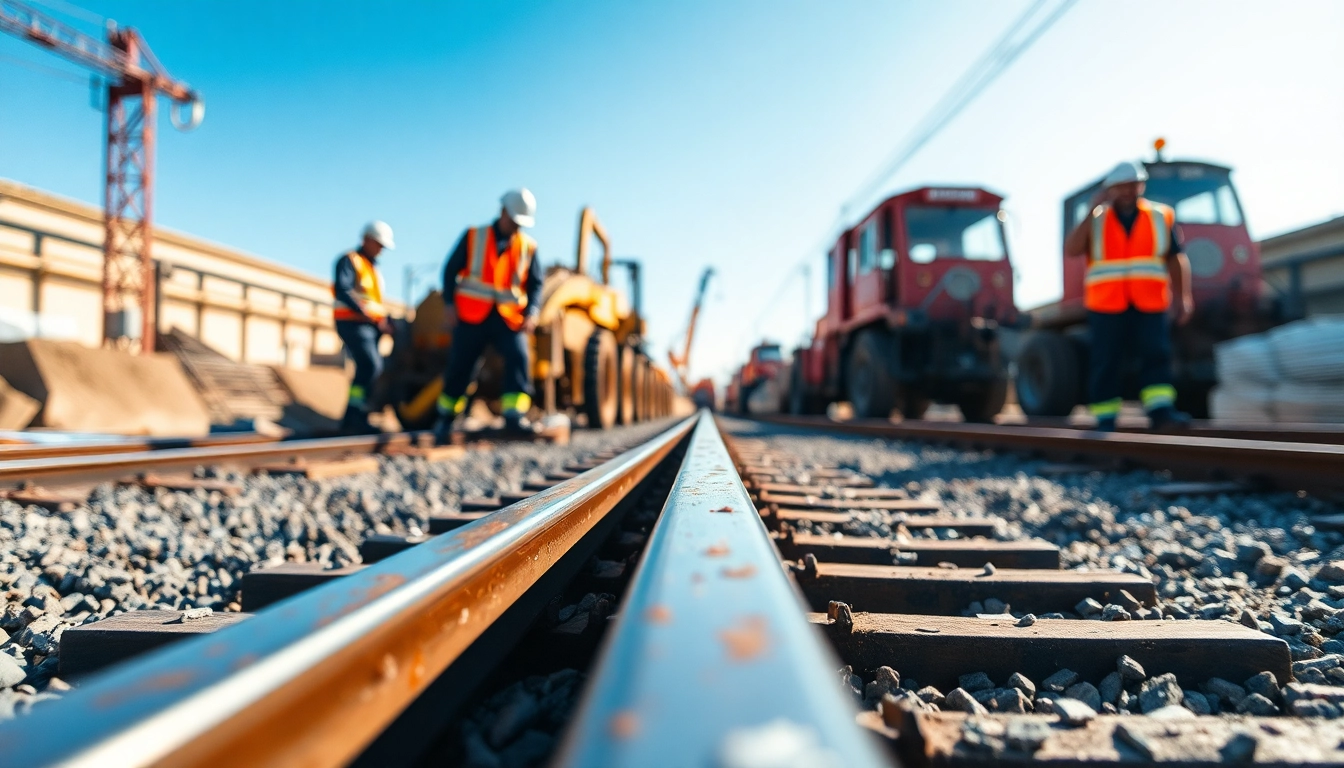
Track laying is a fundamental aspect of railroad construction, and modern techniques have significantly advanced over the years. One prevalent method is the use of continuous welded rail (CWR), which allows for fewer joints and a smoother ride. This method involves welding sections of rail together, reducing maintenance needs and enhancing stability. Another technique includes mechanized track laying machines that streamline the construction process, allowing for quicker installation and minimizing labor costs.
Innovative Machinery in Railroad Construction
The use of advanced machinery in railroad construction has transformed traditional practices. High-performance tamping machines, for example, compact the ballast to ensure stability and reduce track movement over time. Moreover, rail-laying machines can install entire sections of track automatically, significantly reducing manual labor and enhancing accuracy and efficiency. Technology such as drones and GPS also plays a vital role in planning and monitoring construction, ensuring that projects remain on schedule and within budget.
Environmental Considerations for Railroad Construction
With growing concerns about environmental impacts, it is crucial for railroad construction projects to adopt sustainable practices. This includes conducting environmental impact assessments before initiating projects to identify potential issues. Additionally, implementing green construction methods, such as using recycled materials and minimizing land disruption, can greatly reduce a project’s ecological footprint. Collaborating with environmental groups and local communities during the planning process helps in addressing concerns and promoting sustainable practices.
Challenges in Railroad Construction
Common Obstacles in Terrain and Weather
Terrain and weather conditions significantly influence railroad construction projects. Building in mountainous regions or areas prone to flooding requires specialized techniques and equipment. For instance, constructing over difficult terrain may entail the use of innovative bridge designs or enhanced earthworks. Moreover, adverse weather conditions can delay construction timelines and necessitate contingency plans. Adapting to these challenges while maintaining safety and adhering to regulatory standards is key to successful project delivery.
Budgeting and Resource Allocation
Effective budgeting and resource allocation are crucial in railroad construction, as projects often involve substantial capital investment. Accurate cost estimation must account for all phases of construction, including labor, materials, and unforeseen expenses. Implementing robust project management tools and practices can aid in tracking costs and resources effectively. Prioritizing transparency in financial planning ensures that stakeholders remain informed and enables the timely identification of potential budget overruns.
Regulatory Challenges in Railroad Construction
Navigating the regulatory landscape presents a significant challenge in railroad construction. Each project must comply with federal, state, and local regulations, which can vary widely. Understanding the requirements for environmental assessments, zoning laws, and construction permits is essential to avoid delays and penalties. Close collaboration with legal and regulatory experts can streamline the approval process and ensure that all facets of a project adhere to required standards.
Best Practices for Successful Railroad Construction
Effective Project Management Strategies
Successful railroad construction projects revolve around effective project management strategies. Utilizing methodologies like Agile or Lean construction can improve flexibility and responsiveness to changes during the project life cycle. Regularly scheduled progress reviews and stakeholder meetings help to maintain focus on objectives and facilitate communication. Additionally, employing project management software can streamline coordination and reporting efforts.
Utilizing Technology in Railroad Construction
Technology integration in railroad construction enhances efficiency and safety. Building Information Modeling (BIM) offers a digital representation of physical and functional characteristics, supporting improved decision-making throughout the project. Drones and imaging technology provide critical insight into site conditions and construction progress, enabling teams to identify issues early. Furthermore, leveraging data analytics can optimize resource allocation and project timelines.
Collaboration with Local Authorities and Stakeholders
Collaboration is crucial for ensuring the success of railroad construction projects. Engaging local authorities and stakeholders early in the project fosters an understanding of community needs and concerns. Conducting public consultations can build support and address potential objections. Moreover, establishing clear lines of communication with all parties involved helps mitigate conflicts and ensures that everyone is aligned on project goals and timelines.
The Future of Railroad Construction
Emerging Trends in Railroad Construction
The future of railroad construction is shaped by emerging trends that reflect broader technological and societal changes. Increasing demand for freight transport and faster commuter services necessitates innovative solutions, such as high-speed rail systems and smart tracks equipped with sensors. These innovations promise to improve capacity and efficiency while enhancing safety. Additionally, modular construction techniques may streamline processes, reducing costs and construction times.
Impact of Technology on Railroad Construction
Technology’s impact on railroad construction is profound, with advancements transforming every aspect of the industry. Automation in construction processes reduces human error and accelerates tasks that previously took significant time. Smart technologies deployed within rail systems allow for real-time monitoring, predictive maintenance, and increased operational efficiency. The integration of AI and machine learning in project management aids in optimizing workflows and reducing operational disruptions.
Sustainable Practices in Railroad Construction
As environmental awareness grows, implementing sustainable practices in railroad construction is becoming imperative. Projects are increasingly focusing on energy-efficient equipment, eco-friendly materials, and practices that minimize waste. Certifications such as LEED (Leadership in Energy and Environmental Design) demonstrate a commitment to sustainability and responsibility. Adopting these practices not only meets regulatory requirements but also enhances public perception and community support.
Frequently Asked Questions
What types of projects fall under railroad construction?
Railroad construction includes projects related to track laying, station building, bridge construction, and maintenance facilities, focusing on both passenger and freight rail systems.
How long does a typical railroad construction project take?
The duration of a railroad construction project varies widely based on scope, location, and complexity, typically ranging from several months to a few years.
What are the main safety regulations for railroad construction?
Safety regulations for railroad construction include guidelines from federal and state agencies, ensuring the structural integrity of tracks, secure operation, and worker safety during construction.
What role does technology play in modern railroad construction?
Technology enhances efficiency and safety through tools like BIM, drones for site analysis, and smart tracks monitoring performance, allowing for faster and more accurate construction.
How are environmental impacts managed in railroad construction?
Environmental impacts are managed through assessments that identify risks, the use of sustainable materials, and practices aimed at minimizing ecological disruption during construction.
Contact Information
Call Us: (855) 920-8722
Email: [email protected]
Address: 350 Fossil Creek Boulevard, Suite 106, Fort Worth, TX, United States, Texas