Understanding Railroad Construction
Railroad construction is a vital aspect of infrastructure development, playing a crucial role in creating efficient transportation networks. The processes involved in Railroad Construction encompass a variety of tasks from land surveying to track installation. The efficiency and safety of these processes significantly affect not only the rail industry but also the economy at large.
Overview of Railroad Construction Processes
The realm of railroad construction involves complex processes that are designed to create and maintain rail infrastructures. These processes generally include site preparation, laying down tracks, constructing stations, and setting up signaling systems. Initial planning is crucial as it determines the feasibility and sustainability of the entire project. Project timelines are often mapped out, and all safety protocols are established. The construction process can be categorized into four primary stages: planning, design, execution, and maintenance.
Key Components of Railroad Construction
Several key components define railroad construction projects. First, the ballast layer helps to support and stabilize the tracks. Second, the rails, typically made of steel, are laid on the sleepers or ties, which are installed on top of the ballast. Signaling systems are also critical, ensuring trains can communicate with each other to avoid collisions and maintain orderly operations. Other components such as grade crossings, bridges, and tunnels are integral to cater to different landscapes and urban settings.
Importance of Safety Standards in Railroad Construction
Safety standards are paramount in railroad construction. Given the potential consequences of accidents, regulatory bodies have established stringent guidelines that govern every aspect of the construction process. Implementing these standards not only ensures construction worker safety but also protects future passengers. Training programs and regular inspections are essential in maintaining compliance and ensuring safe operations.
Planning and Design in Railroad Construction
Successful railroad construction starts with meticulous planning and designing efforts. The planning phase is where the vision turns into a concrete project roadmap, detailing every step of the construction journey.
Initial Surveying and Site Selection
Initial surveying involves geospatial analysis to identify the correct route for the railroad. Geographic Information Systems (GIS) and other advanced mapping tools play a significant role in facilitating this process. Factors to consider include environmental attributes, land use, and the socio-economic impact on surrounding communities.
Environmental Considerations in Railroad Construction
Environmental considerations are critical in the planning phase of railroad construction. Regulations often require Environmental Impact Assessments (EIA) to evaluate how the construction could affect local ecosystems and wildlife. Sustainable construction practices, such as the use of recycled materials and minimizing land disruption, are increasingly being adopted to mitigate adverse environmental impacts.
Technological Innovations in Railroad Construction Design
Technological advancements have greatly improved the design phase. Building Information Modeling (BIM) allows for enhanced collaboration among stakeholders, reducing errors and streamlining the design process. Additionally, drones are now common in mapping project sites quickly and accurately, providing a bird’s eye view to assess terrain and potential construction challenges.
Execution of Railroad Construction Projects
Once planning and design are complete, the focus shifts to execution, where the outlined plans come to life.
Stages of Railroad Construction Work
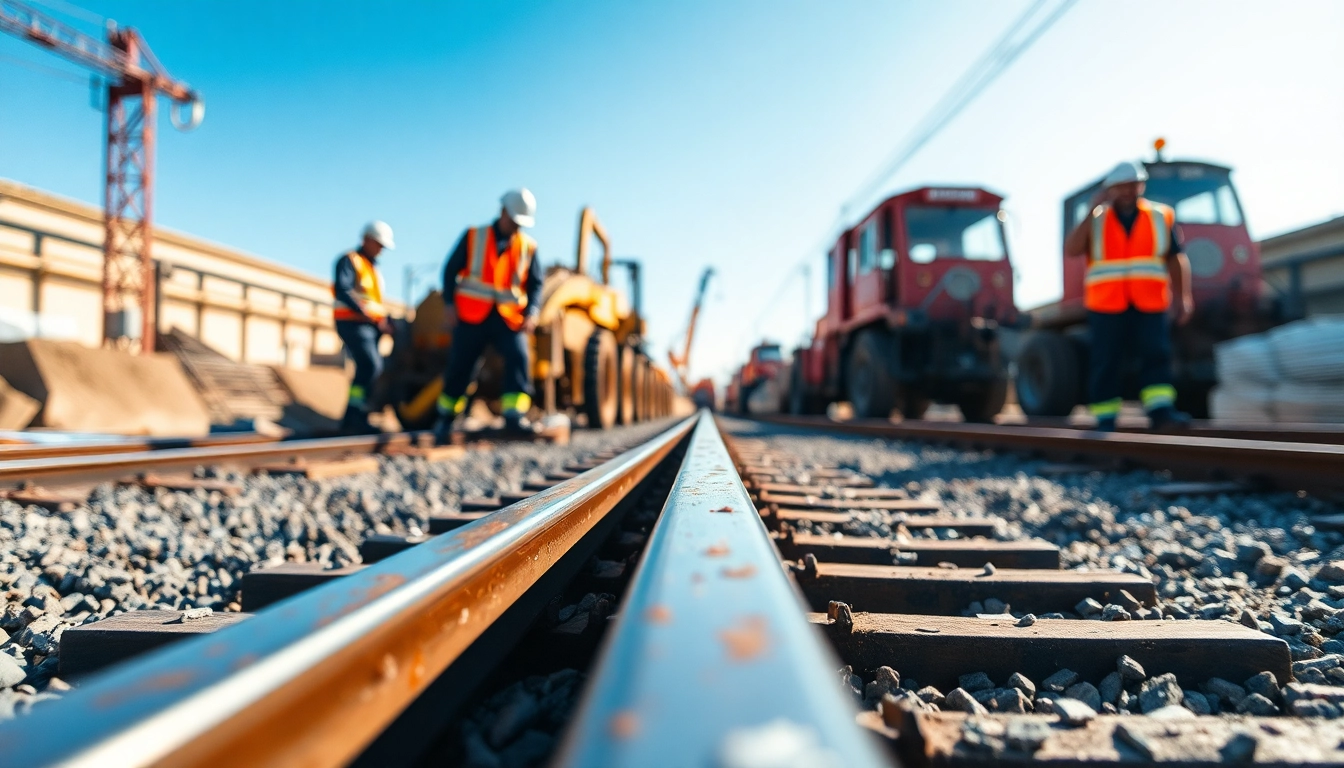
The execution phase broadly consists of site preparation, track laying, and the construction of auxiliary structures such as stations and depots. Site preparation entails clearing vegetation and grading land to create a suitable foundation for the track layers. Once the site is ready, tracks are installed using specialized machinery that aligns and secures them in place.
Role of Machinery in Railroad Construction
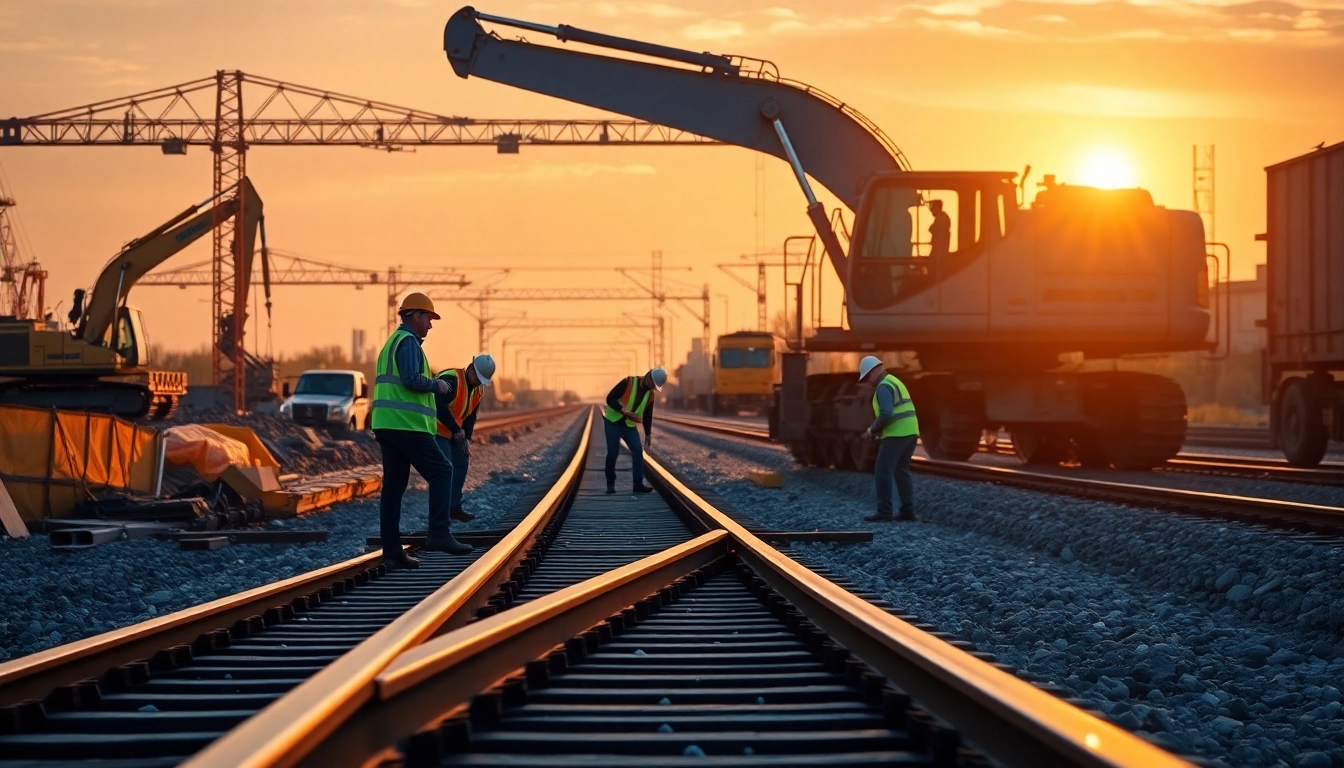
Heavy machinery plays an indispensable role in railroad construction. Equipment such as excavators, bulldozers, and rail cranes enable efficient track laying and construction processes. Advanced rail laying machines can place tracks at a rate of several miles per day, substantially increasing project efficiency.
Project Management Techniques for Successful Railroad Construction
Effective project management is crucial in ensuring that railroad construction projects stay on schedule and within budget. Techniques such as Agile project management allow teams to adapt to changes swiftly. Continuous monitoring of project milestones helps identify potential delays early, enabling proactive measures to maintain construction timelines.
Challenges in Railroad Construction
While railroad construction is essential for boosting transportation efficiency, several challenges can impact the success of projects.
Common Obstacles in Railroad Construction Projects
Common obstacles include budget constraints, regulatory hurdles, and unforeseen site conditions such as geological issues or severe weather. Proper risk management strategies must be implemented to address these challenges. Adequate contingency planning can prevent minor setbacks from escalating into major project delays.
Mitigation Strategies for Delays and Budget Overruns
Mitigating delays and budget overruns involves constant monitoring of progress and financials. Regular team meetings and updates allow for rapid identification of issues. Employing a skilled workforce and utilizing technology effectively helps maintain project momentum while adhering to quality standards.
Environmental and Community Impact of Railroad Construction
The impact of railroad construction on local communities and environments cannot be overlooked. Engaging with community stakeholders early in the planning phase can foster goodwill and facilitate necessary adjustments to project plans. Ensuring transparency and public participation in the decision-making process is crucial for minimizing resistance and promoting public interest.
Future Trends in Railroad Construction
As technology and societal needs evolve, railroad construction is also undergoing significant changes, driven by sustainability and technological innovation.
Emerging Technologies Shaping Railroad Construction
Emerging technologies such as artificial intelligence and machine learning are beginning to play a role in optimizing construction processes. AI can predict maintenance issues before they arise, while 3D printing offers possibilities for creating bespoke construction components with lower waste materials.
Sustainable Practices in Railroad Construction
Sustainability is becoming central to railroad construction practices. From utilizing renewable energy sources for construction operations to integrating eco-friendly materials, the push for sustainability is apparent. Projects are increasingly focusing on a lifecycle approach, aiming to reduce environmental footprints in every phase, from construction to operation.
The Future Workforce in Railroad Construction
The future of the railroad construction workforce is witnessing a shift towards more specialized skills, influenced heavily by technological advancements. There is a growing demand for skilled professionals who can navigate new construction methods and technologies. Investing in education and workforce training will be key in preparing the next generation for evolving industry demands.
Frequently Asked Questions
What are the main phases of railroad construction?
The main phases include planning, site surveying, design, execution, and maintenance. Each phase requires distinct processes and expertise to ensure project success.
How is safety ensured in railroad construction?
Safety is ensured through strict adherence to established regulations, comprehensive training programs for workers, and regular safety audits to maintain compliance throughout construction phases.
What role does technology play in railroad construction?
Technology enhances efficiency in design and execution, with tools like BIM for collaborative design, and machinery that speeds up construction processes while ensuring precision.
What are common challenges in railroad construction?
Common challenges include budget constraints, regulatory issues, environmental hurdles, and unforeseen site conditions that require flexibility in project management.
How can communities be engaged in railroad construction projects?
Engaging communities involves open communication, stakeholder meetings, and involving local input in planning to minimize opposition and encourage support for projects.
Contact Information
Email: [email protected]
Call Us: (855) 920 – 8722
Address: 3950 Fossil Creek Boulevard, Suite 106 Fort Worth, TX 76137