Understanding the Island Chandelier
What is an Island Chandelier?
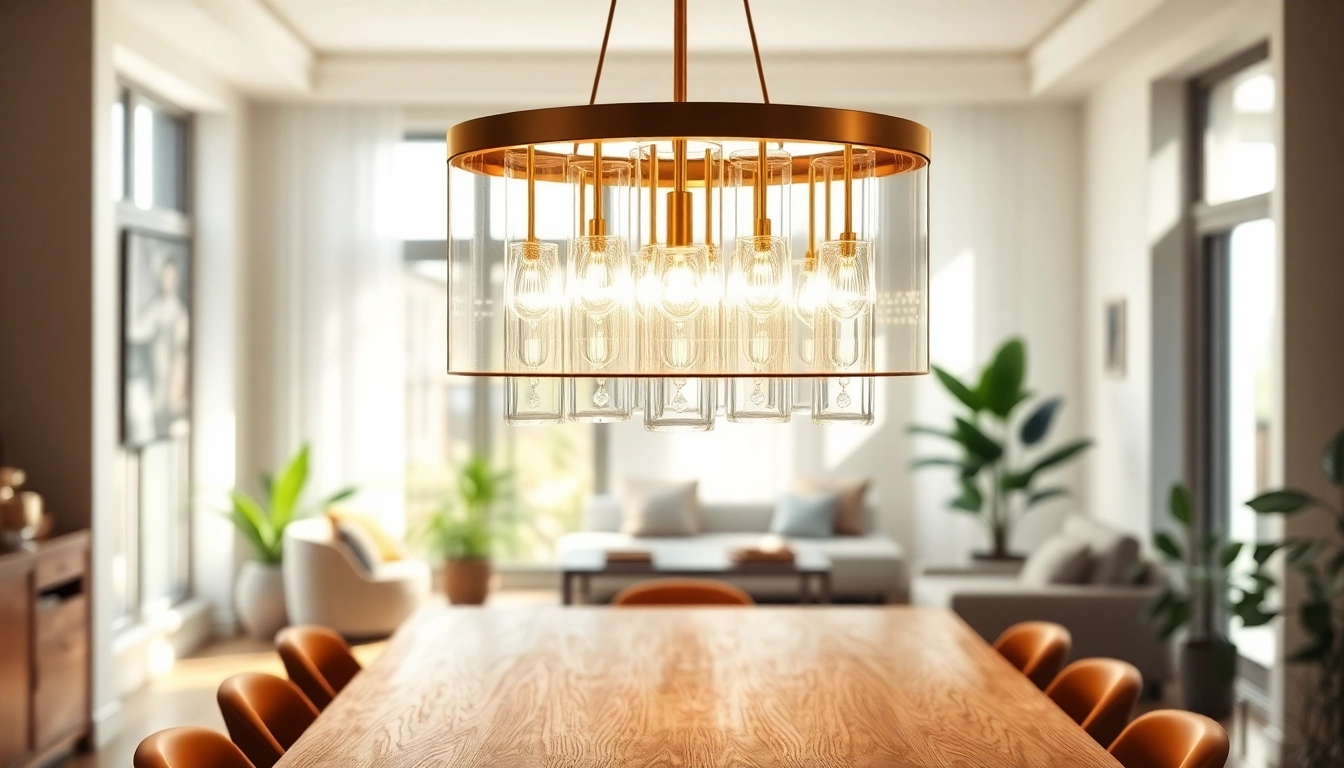
An island chandelier is a type of lighting fixture designed specifically for spaces where it can shine brightly and enhance the aesthetics of a room, often used over kitchen islands or dining tables. These chandeliers are longer than traditional fixtures, enabling them to illuminate wider areas effectively. Their design typically integrates multiple light sources, which can range from modern to traditional styles, adding both functional and aesthetic value to your decor. Typically, an island chandelier can be a stunning centerpiece that not only provides ample light but also serves as a work of art in its own right. As you explore options for enhancing your home, consider how a well-placed island chandelier can elevate your space.
Key Features of Island Chandeliers
Island chandeliers come with a variety of features that cater to different design aesthetics and functional requirements. One key feature is their elongated shape, allowing them to span across larger areas like dining tables or kitchen islands. This is often complemented by adjustable heights, ensuring that the fixture can be positioned perfectly for both illumination and style. Additionally, island chandeliers often utilize multiple bulbs or light sources, which provide even light distribution, reducing shadows and enhancing visibility. The materials used range widely, from sleek metals to distressed wood, allowing homeowners to choose options that best fit their overall interior design theme. Furthermore, many designs incorporate dimming capabilities, providing versatility in ambiance and mood setting.
Choosing the Right Style for Your Space
Selecting the appropriate style of an island chandelier is essential for achieving a harmonious look in your home. Consider the overall design theme of your space—whether it’s contemporary, rustic, industrial, or traditional—as this will narrow down your options significantly. For instance, a sleek, metallic pendant might serve well in a modern kitchen, while a more ornate, vintage-style chandelier could complement a classic dining area beautifully. Think about the color palette of your space as well; a chandelier that blends seamlessly with existing colors can create visual cohesion. Don’t forget to ensure that the scale of the chandelier is appropriate for the surrounding elements—too large or too small can disrupt the balance of the room.
Benefits of Installing an Island Chandelier
Enhancing Heat and Light
One of the primary benefits of installing an island chandelier is its ability to enhance both heat and light within a given area. A well-designed chandelier can brighten up dark corners and create an inviting atmosphere for family gatherings or social events. This increased light is essential in kitchens and dining areas, where adequate illumination is crucial for preparing meals and enjoying dining experiences. Moreover, depending on the bulbs used—such as LED or incandescent—an island chandelier can also contribute to maintaining warmth in a space, making it feel more cozy and welcoming. By selecting the right bulbs, homeowners can create a balanced lighting effect that suits their specific needs.
Creating a Focal Point in Your Room
Another significant advantage of an island chandelier is its ability to serve as a striking focal point in any room. A thoughtfully chosen chandelier can draw the eye and add character to a space, becoming a conversation starter for guests. When hung strategically, it can sharply define an area, delineating a dining space in an open-concept living area, for instance. Stylish designs can contribute to the overall décor more than just function, showcasing elegance and sophistication while filling the vertical space above a kitchen island or dining table.
Combining Style and Functionality
Island chandeliers offer a perfect blend of style and functionality. While their primary purpose is to illuminate a space, their design also has an aesthetic role. Many contemporary chandeliers incorporate artful elements that can elevate the overall design of your kitchen or dining area. In addition, with advancements in lighting technology, many island chandeliers now include features such as adjustable brightness or color temperature, allowing homeowners greater flexibility in creating the desired ambiance. This dual benefit of style and function makes them an appealing option for those looking to upgrade their lighting solutions.
Installation and Placement Tips
Optimal Height and Positioning
To maximize the effectiveness of your island chandelier, proper installation and positioning are vital. Generally, chandeliers should hang about 30 to 36 inches above the surface of the kitchen island or dining table. This height ensures adequate light distribution while allowing enough clearance for individuals to move comfortably beneath it. If you’re installing multiple fixtures, spacing is equally essential—allow a minimum of 24 to 30 inches between chandeliers to prevent them from feeling cluttered. Additionally, consider the room’s scale; larger spaces may benefit from larger or multiple chandeliers to ensure ample illumination and maintain visual balance.
Electrical Requirements and Considerations
Before installing an island chandelier, it’s crucial to understand the electrical requirements associated with it. Ensure that the circuit can handle the load of your new fixture, especially if using multiple bulbs. If you’re uncertain about your home’s electrical system, consulting a professional electrician is a prudent step. They’ll ensure that the installation is up to code, thus avoiding any potential hazards. Additionally, consider the type of bulbs your chandelier will use, as some may require specific wattage or voltage to function correctly.
Design Cohesion with Other Fixtures
When selecting an island chandelier, maintaining design cohesion with other lighting fixtures in your space is essential. They should complement each other in terms of design style, finish, and overall aesthetic. For example, if you have pendant lights above your counters, try to choose an island chandelier that shares similar metallic finishes or style elements. The idea is that all fixtures should work harmoniously to create a unified look. If your home features several different styling cues, consider using an island chandelier that incorporates multiple textures or finishes to bridge disparate styles and create a sense of cohesive design.
Maintenance and Care for Your Island Chandelier
Cleansing Glass and Metal Elements
Regular maintenance is essential to ensure that your island chandelier retains its beauty and effectiveness. For glass elements, use a microfiber cloth and a gentle glass cleaner to wipe down surfaces, avoiding ammonia-based products that can damage special coatings. Metal components may require specific care depending on the finish (e.g., chrome, brass, etc.). A soft, damp cloth is often sufficient, but for ornate details, a soft brush can help remove dust without scratching the surface. Regular cleaning not only maintains aesthetics but also improves light output and prolongs the lifespan of your fixture.
Checking Electrical Components Regularly
In addition to visual upkeep, it’s vital to check the electrical components of your island chandelier regularly to maintain safety and functionality. Inspect wiring for any signs of wear, corrosion, or fraying, as these can pose significant hazards. Ensure that all connections are secure and that bulbs are functioning correctly. Replacing burnt-out bulbs promptly ensures your chandelier’s continued performance and prevents the strain on electrical components that can occur with mismatched wattage or types.
Maintaining Optimal Brightness
To keep your island chandelier functioning at its best, maintain optimal brightness levels by using the recommended wattage and type of bulbs for your specific fixture. Over time, bulbs may diminish in brightness, so consider implementing a regular rotation schedule and replacing them as necessary. Additionally, using dimmer switches can provide flexibility in managing brightness, allowing you to adjust lighting based on the occasion or time of day. By maintaining the fixture’s lighting quality, you are also enhancing the room’s ambiance and functionality.
Frequently Asked Questions
How do I choose the right size for my island chandelier?
The size of your island chandelier should be proportional to the space it occupies. For a general guide, measure the length of the island, and the chandelier should be about half to two-thirds that length.
Can I install an island chandelier myself?
Yes, if you have basic electrical knowledge and are comfortable with DIY projects. However, hiring a professional electrician ensures safety and compliance with local codes.
What type of bulbs are best for an island chandelier?
LED bulbs are often recommended for their energy efficiency and longevity. They also come in various color temperatures to create the desired ambiance for your space.
How do I ensure my chandelier matches my decor?
Match your chandelier to existing design elements by considering the materials, colors, and overall theme of your space. A cohesive design enhances the visual appeal.
What is the average price range for an island chandelier?
The price of an island chandelier can range widely, typically starting at around $100 and going up to $2,000 or more, depending on the materials, design, and brand.