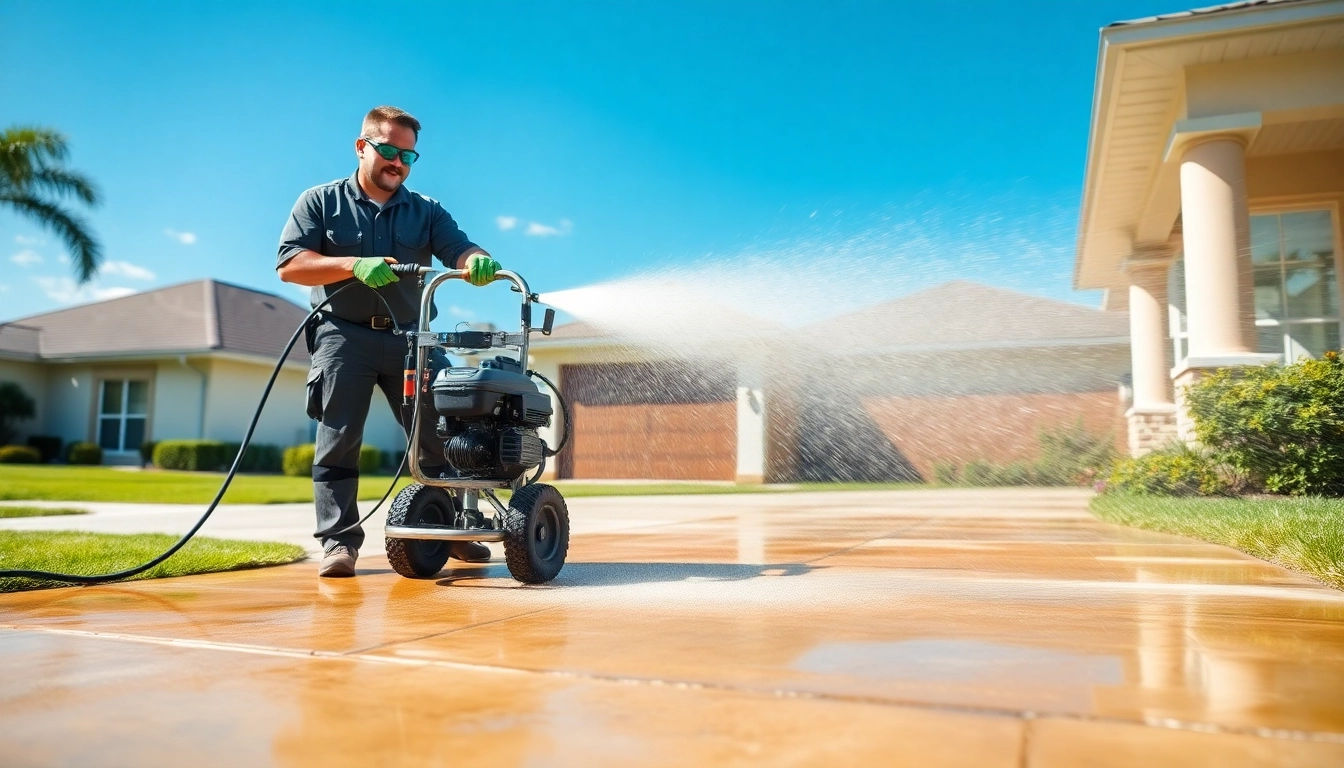
Understanding Concrete Cleaning
Concrete surfaces are a staple in both residential and commercial properties. From driveways and sidewalks to patios and pool decks, concrete is durable and versatile. However, it is also susceptible to stains, grime, and deterioration over time. Concrete cleaning is essential for maintaining the aesthetic appeal and structural integrity of these surfaces. In this comprehensive guide, we will explore the importance of concrete cleaning, the various methods available, and how to choose the best approach for your needs.
What is Concrete Cleaning?
Concrete cleaning refers to the process of removing dirt, stains, mildew, algae, and other contaminants from concrete surfaces. This can be achieved through various methods, including pressure washing, chemical treatments, and manual scrubbing. The cleaning process not only improves the visual appeal of the concrete but also enhances its longevity by preventing deterioration due to accumulated dirt and moisture.
Benefits of Regular Concrete Maintenance
- Enhanced Aesthetic Appeal: Regular cleaning keeps concrete surfaces looking new and well-maintained, improving overall property appearance.
- Increased Longevity: By removing harmful debris that can cause erosion, regular cleaning extends the lifespan of concrete surfaces.
- Improved Safety: A clean surface reduces the risk of slips and falls caused by moss, algae, and other slippery substances.
- Cost Efficiency: Maintaining concrete through cleaning is far more cost-effective compared to repairing or replacing damaged surfaces.
Common Challenges in Concrete Cleaning
Concrete cleaning presents several challenges, including:
- Stubborn Stains: Oil, grease, and rust stains can be particularly difficult to remove and may require specialized cleaning agents.
- Mold and Mildew: These growths can thrive in damp, shaded areas, often requiring treatment beyond surface cleaning.
- Environmental Factors: Weather conditions can impact cleaning efficiency; for instance, high winds or rain can disrupt the cleaning process.
Choosing the Right Cleaning Method
When it comes to concrete cleaning, selecting the right technique is vital for achieving effective and safe results. Understanding the various cleaning methods can help you make an informed decision.
Pressure Washing vs. Chemical Cleaning
Pressure washing is a popular method for concrete cleaning, utilizing high-pressure water jets to remove dirt and debris. This method is effective for large areas and stubborn stains. In contrast, chemical cleaning involves applying specialized solutions to treat specific stains or contaminants. While chemical cleaning can be very effective, it may require additional rinsing and precautions to ensure safety and environmental responsibility.
Eco-Friendly Solutions for Concrete Cleaning
As environmental concerns continue to grow, many property owners are seeking eco-friendly cleaning solutions. Biodegradable products and low-pressure cleaning techniques are becoming increasingly popular. Additionally, using hot water can often enhance the effectiveness of cleaning without the need for harsh chemicals, providing a green alternative that is safe for both the surroundings and the user.
Selecting the Best Equipment for Your Needs
The effectiveness of concrete cleaning largely depends on the equipment used. Pressure washers, for instance, come with different PSI (pounds per square inch) ratings, which determine their power. For residential cleaning, a machine with a rating between 2,000-3,000 PSI is often sufficient. However, for commercial projects, a more powerful unit may be required. It’s important to consider the specific cleaning challenges and the type of stains you encounter when selecting your equipment.
Step-by-Step Guide to Concrete Cleaning
To ensure the best results during concrete cleaning, following a systematic approach can be beneficial. Below is a step-by-step guide you can follow.
Preparing the Area for Cleaning
Preparation is key to effective concrete cleaning. Start by moving any furniture or obstacles that might hinder the cleaning process. Sweep the area to remove loose debris, and consider covering nearby plants and landscaping to protect them from cleaning solutions or water runoff.
Effective Techniques for Stain Removal
Once the area is prepared, you can use various techniques to tackle specific stains:
- For Oil Stains: Apply a degreaser or a mixture of baking soda and water, allowing it to sit before scrubbing.
- For Rust: Use a commercial rust remover or a homemade solution of vinegar and baking soda.
- For Mold and Mildew: A mixture of bleach and water can kill mold spores, but should be rinsed thoroughly to prevent damage to vegetation.
Post-Cleaning Care and Maintenance
After cleaning, allow the concrete to dry completely. Inspect the surface for areas that may require further attention or sealing. Regular maintenance, including periodic cleaning and sealing, will help keep your concrete looking its best and provide added protection against stains and degradation.
Professional vs. DIY Concrete Cleaning
When deciding between DIY concrete cleaning and hiring professionals, there are key factors to consider regarding effectiveness, safety, and value for money.
When to Hire Professionals for Concrete Cleaning
Consider hiring professionals in the following scenarios:
- When dealing with extensive or stubborn stains that require specialized equipment or expertise.
- If you lack the time or resources to commit to a thorough cleaning.
- When safety concerns arise, particularly with high-pressure cleaning or the use of chemicals.
Cost Comparison: DIY vs. Professional Services
The cost of concrete cleaning can vary widely. DIY methods might seem cheaper initially, but factors such as purchasing equipment, cleaning solutions, and the time spent can add up. On the other hand, hiring professionals typically results in a higher upfront cost but provides a guarantee of quality and efficiency.
Safety Tips for DIY Concrete Cleaning
If you choose to go the DIY route, remember to prioritize safety. Always wear appropriate protective gear, including gloves, goggles, and masks, particularly when working with chemical cleaners. Additionally, ensure proper ventilation and follow all product instructions carefully to prevent accidents or injuries.
Future Trends in Concrete Cleaning
The concrete cleaning industry is evolving with advancements in technology and changing consumer preferences. Staying informed about these trends can help you choose the best services for your needs.
The Impact of Technology on Concrete Cleaning Methods
Emerging technologies, such as automated cleaning solutions, are becoming more prevalent in the concrete maintenance market. These advanced systems can provide efficient cleaning without requiring extensive manpower, saving time and resources.
Emerging Eco-Friendly Cleaning Agents
As sustainability becomes increasingly important, the development of eco-friendly cleaning agents is on the rise. Many companies are now offering products made from natural ingredients that are just as effective as traditional chemicals, but safer for the environment.
Anticipated Market Changes for 2025 and Beyond
Looking ahead, the concrete cleaning market is likely to see continued growth driven by increased awareness of the benefits of maintenance, both for residential and commercial properties. More individuals and businesses will invest in professional services, recognizing the long-term value that comes from preserving the integrity of their concrete surfaces.