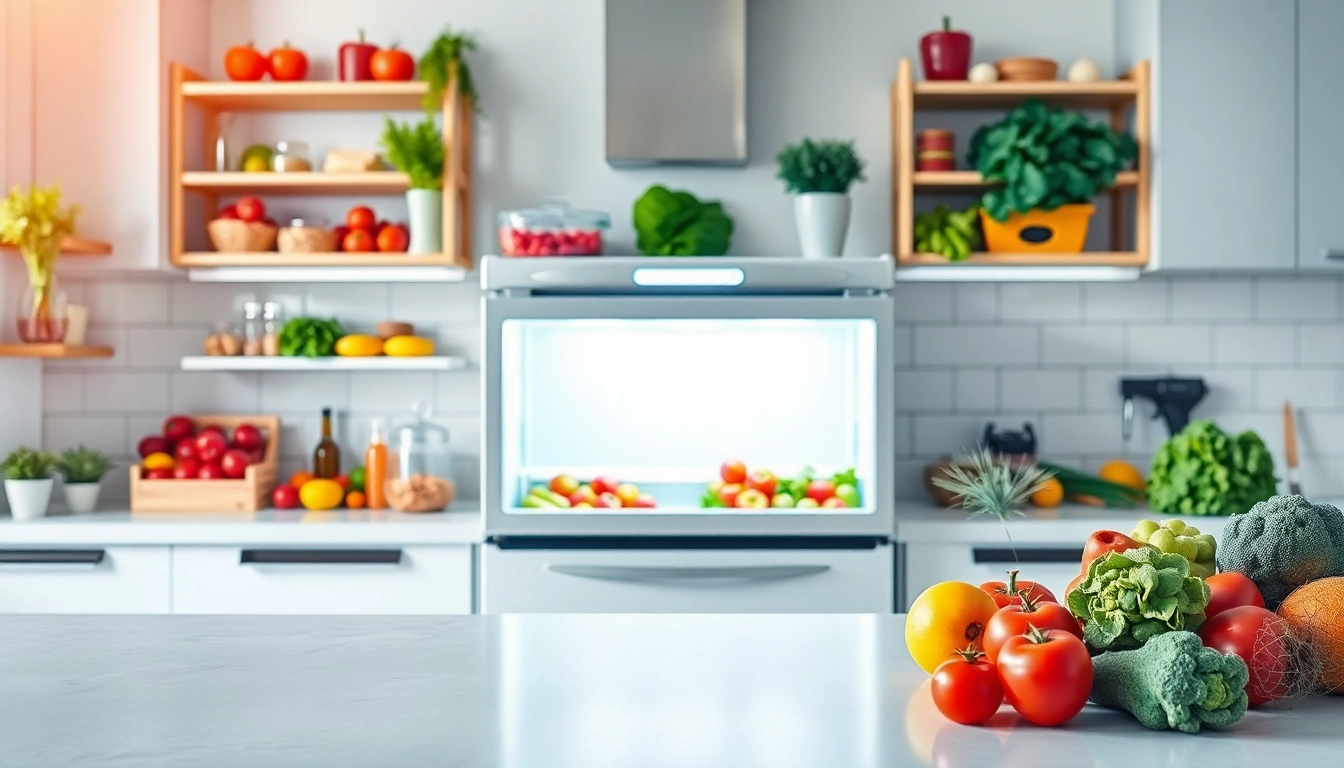
What is a Freezer and How Does It Work?
Definition and Purpose of a Freezer
A Freezer is an essential appliance in modern kitchens designed specifically for storing food at very low temperatures, effectively preserving food quality and preventing bacterial growth. The primary purpose of a freezer is to halt the decay processes that occur with perishable goods, extending their shelf life and making meal planning more convenient. By maintaining temperatures typically below 0°F (-18°C), freezers play a crucial role in food safety and inventory management in households and restaurants alike.
Types of Freezers Available
There are several types of freezers catering to various needs, each with unique features:
- Chest Freezers: These freezers offer a large storage capacity and are ideal for storing bulk items. Their design allows for better insulation and energy efficiency.
- Upright Freezers: These freezers resemble refrigerators and provide organized vertical storage, making it easier to access items without having to dig through containers.
- Freezer/Refrigerator Combos: These appliances combine both a freezer and a refrigerator into a single unit, perfect for kitchens with limited space.
- Portable Freezers: Small and lightweight, these are useful for camping or road trips. They rely on electricity or battery to maintain freezing temperatures.
- Commercial Freezers: These are designed for heavy use in restaurants or grocery stores, focusing on maximizing storage and efficiency.
How Freezers Maintain Temperature
Freezers maintain low temperatures through several mechanisms, primarily through refrigeration cycles. The process begins with a refrigerant absorbing heat from inside the freezer. This gas then compresses and travels through coils outside the unit, where it releases heat and returns to a liquid state. As it cycles back, it absorbs more heat, effectively keeping the interior cold. Key components like thermostats regulate the temperature, ensuring it remains consistently below the freezing point.
Benefits of Using a Freezer
Cost-Efficiency and Food Preservation
Investing in a freezer can yield significant financial savings in the long run. By purchasing foods in bulk and freezing them, you can take advantage of sales and seasonal prices, reducing overall grocery expenses. The ability to preserve food not only lowers waste but also encourages healthier eating habits, as you can stock up on fresh fruits, vegetables, and meats without the fear of them going bad.
Convenience for Meal Planning
A freezer adds convenience to meal planning by allowing you to prepare meals ahead of time. Cooked dishes can be frozen and reheated later, saving time on busy weeknights. By freezing individual portions, you have ready-made meals at your fingertips, making it simple to eat well without the hassle of daily cooking.
Reducing Food Waste with a Freezer
One of the notable benefits of freezer use is its ability to help reduce food waste. With a freezer, you can save leftover meals, fruits, and vegetables that might otherwise spoil. By freezing food before it reaches its expiration, you not only extend its life but also make conscious choices about your consumption. This can lead to a more sustainable kitchen and heightened awareness of food resources.
Freezer Maintenance Tips for Longevity
Regular Cleaning Practices
To ensure your freezer operates efficiently, regular cleaning is vital. This involves defrosting when frost buildup exceeds 1/4-inch, as this can impact performance. Wipe down surfaces with a solution of warm water and baking soda to eliminate odors and prevent bacterial growth. Moreover, regularly check and clean the door seals to ensure they are airtight, which enhances energy efficiency.
Ensuring Proper Temperature Settings
Maintaining the correct temperature is crucial for food safety. Set your freezer to 0°F (-18°C) for optimal food preservation. Consider purchasing a thermometer specifically designed for freezers to monitor temperatures accurately. Avoid overloading the freezer, as this can obstruct airflow, leading to uneven cooling.
Identifying and Fixing Common Issues
Common freezer issues include improper temperature regulation, noise, or frost buildup. Listening for unusual sounds can signal mechanical problems, and adhering to regular maintenance can prevent many issues. If malfunction persists, consult the freezer’s manual or seek professional repair services to avoid damaging the appliance.
Best Practices for Stocking Your Freezer
Organizing Foods for Optimal Use
Proper organization is key to maximizing freezer space and ensuring easy access to items. Store foods in clear, labeled containers to avoid confusion, and group similar items together. For example, pots of soup can be stacked together, while meats should be stored towards the bottom to prevent juices from contaminating other foods. Utilizing vertical storage solutions can also help you avoid wasted space.
Labeling and Managing Expiration Dates
No one wants to eat expired or freezer-burned food. Labeling containers with the contents and the date they were frozen is essential for managing your freezer. Opt for waterproof labels or markers to ensure they remain readable despite moisture. Regularly audit your freezer, removing items near their expiration to keep your inventory fresh.
Pro tips for Flash Freezing
Flash freezing is a technique that helps preserve the quality of food items. Spread out food on a baking sheet in a single layer and freeze until solid before transferring it to storage containers. This process prevents items from sticking together, allowing you to grab just the right amount later. Ideal for fruits and vegetables, this technique retains food texture and flavor.
FAQs About Your Freezer
How do I know if my Freezer is working properly?
Check the temperature regularly. Ideally, it should be at 0°F (-18°C) or below. If your freezer is warmer, it may affect the integrity of food.
Can I put hot food directly into the Freezer?
No, let hot food cool down to room temperature first. Placing hot food directly can raise the internal temperature, potentially jeopardizing food safety.
How long can food last in a Freezer?
Most foods can last from 3 to 12 months in a freezer, but longevity depends on the type of food. Always check packaging for specific guidelines to ensure the best quality.
What items should I avoid freezing?
Avoid freezing eggs in shells, soufflés, and fresh dairy products, as they may lose their ideal texture and quality during the freezing process.
How do I defrost my Freezer safely?
Unplug the freezer and allow the ice to melt naturally. Use towels to soak up the water. Avoid using sharp tools to chip away ice, as this can damage your appliance.