
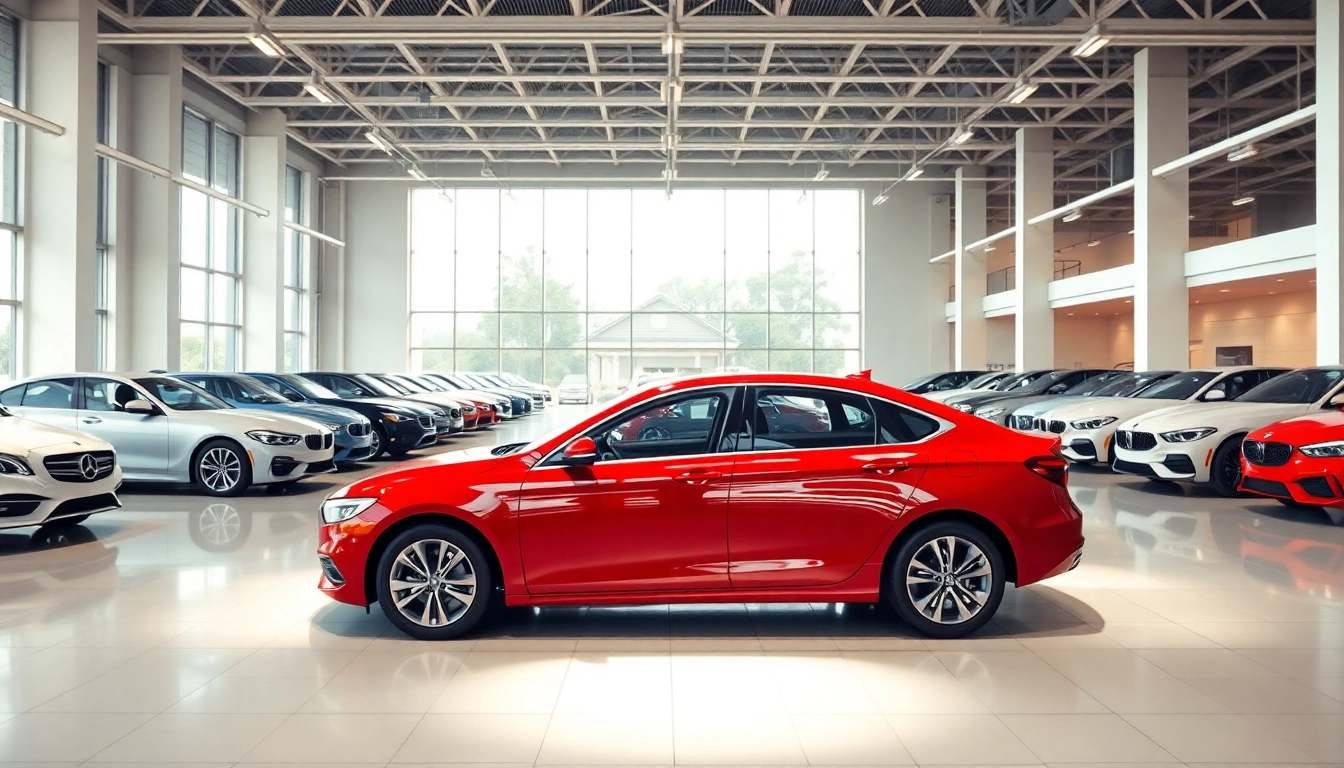
Understanding Your Needs Before You Buy a car
Embarking on the journey to Buy a car is an exhilarating yet daunting experience. It’s not merely about choosing a vehicle; it encompasses understanding your specific needs, budget constraints, and preferences. A well-informed purchase can enhance your driving experience while saving you from future financial regrets. In this section, we’ll explore the essential aspects to consider before diving into the car-buying process.
Assessing Your Budget and Financing Options
The first step in your car-buying journey is assessing your budget. Determine how much you can comfortably spend on a vehicle without straining your finances. Aside from the vehicle’s sticker price, consider additional costs such as taxes, registration fees, and insurance premiums. A good rule of thumb is to allocate no more than 15% of your monthly income towards car payments and expenses.
Next, explore financing options. You might choose to pay cash, but if you can’t, evaluate loan options from banks, credit unions, or online lenders. Investigate interest rates and loan terms. A lower interest rate can save you a significant amount in the long run, so shop around and get quotes from multiple sources to ensure you secure the best deal.
Choosing Between New and Used Vehicles
Deciding between new and used vehicles is critical. New cars offer the latest technology, features, and warranties, thus providing peace of mind. However, they also depreciate quickly—often losing around 20% of their value within the first year. In contrast, used cars are generally more affordable, and since they’ve already depreciated, they can offer better value for your money.
Consider your driving habits and lifestyle. If you require advanced safety tech or are keen on the latest models, a new car might be for you. Conversely, if you want to minimize costs or simply need a reliable mode of transportation, a used car may suit you better. Assess the pros and cons of both options before making a decision.
Identifying the Right Features and Specifications
When selecting a vehicle, identify the must-have features and specifications that cater to your lifestyle. Think about factors like fuel efficiency, engine size, safety features, and tech amenities. Establishing your priority list will help narrow your options and ensure you’re not distracted by vehicles that do not meet your needs.
For instance, if you often travel with family, space should be a priority. Look for SUVs or minivans with ample room. In contrast, if you’re a city dweller, a compact car with excellent fuel economy might be a better fit. Make a balanced comparison of potential vehicles to ensure your selection aligns with your expectations.
Navigating the Car Buying Process
The car-buying process can feel overwhelming, but knowing what to expect can ease the strain. From researching options to negotiating prices, each stage is crucial to ensuring a satisfying purchase. Let’s delve into the steps you need to take to streamline the process.
Researching Car Options and Reviews
Before visiting dealerships, invest time in researching available options. Numerous online platforms allow you to compare makes, models, and prices. Look for vehicle reviews and ratings from other buyers to gauge satisfaction levels. Consumer feedback can provide valuable insight into the reliability and performance of specific models.
Don’t forget to consider expert reviews, which often include detailed analyses of various vehicles, covering everything from performance to comfort. Use this information to compile a shortlist of cars that meet your specifications, and be prepared to pivot based on the insights you gather.
Test Driving: What to Look For
Once you have a shortlist, schedule test drives. A test drive is a vital part of the buying process as it allows you to evaluate the car’s comfort, performance, and handling firsthand. During the drive, pay attention to factors such as visibility, ease of controls, and how the car feels on the road.
Check the sound insulation and seat comfort. If you frequently drive long distances, comfort becomes a key factor. Additionally, take the time to test various driving conditions, including acceleration, cornering, and braking, to ensure the vehicle aligns with your driving preferences.
Negotiating the Best Price
Negotiation can be one of the most intimidating parts of buying a car, but being prepared can lead to significant savings. Before you enter the dealership, research the fair market value for your selected vehicle. This information provides a solid basis for your negotiations.
When negotiating, remain calm and assertive. Start with a price lower than your target to leave room for compromise. Be prepared to walk away if the deal doesn’t meet your expectations. Often, showing that you’re willing to leave can prompt the dealer to present a more favorable offer.
Financing and Insurance for Your New Car
Securing financing and obtaining insurance are crucial steps following your decision to Buy a car. Understanding the financial implications can set you up for future success and peace of mind on the road.
Exploring Loan Options and Rates
With your budget established and a vehicle selected, it’s time to delve into financing. Start by considering different loan options, such as secured versus unsecured loans, and explore which type fits your needs best. Secured loans typically offer lower interest rates, as the vehicle serves as collateral.
Examine loan terms as well. Shorter terms may come with higher monthly payments but save money in interest over time. On the other hand, longer terms can offer lower monthly payments but often result in higher overall interest costs. Always read the fine print to understand any fees that may apply, ensuring you’re informed every step of the way.
Understanding Insurance Requirements
Insurance is another aspect of the car ownership journey that demands attention. Familiarize yourself with minimum insurance requirements in your state, as penalties for lacking adequate coverage can be severe. However, assess whether you need more extensive coverage based on the vehicle’s value and your financial situation.
Compare quotes from various insurers to find the best rates. Some insurance companies offer discounts for new car buyers, good driving records, or bundling policies. Securing the right insurance gives you peace of mind, providing financial protection against potential accidents or liabilities.
Budgeting for Maintenance and Upkeep
When budgeting for a new vehicle, remember to factor in maintenance and upkeep costs. Regular oil changes, tire rotations, and inspections are essential to ensure your car remains in good condition. Additionally, consider setting aside funds for potential repairs or replacements over time.
Review the manufacturer’s recommended maintenance schedule to understand the expected costs associated with upkeep. Keeping your vehicle well-maintained not only prolongs its lifespan but can also help retain its resale value.
Final Steps in Your Car Buying Journey
Congratulations! You’re nearing the finish line of your car-buying journey. The final phases are just as important, ensuring that everything is in order and you’re well-prepared to welcome your new vehicle into your life.
Reviewing the Purchase Agreement
Before signing any documents, it’s crucial to review the purchase agreement carefully. Ensure that the agreed-upon price is correctly reflected in the paperwork, along with any additional fees or trade-in values if applicable. Take your time to understand every term and condition outlined in the agreement, and don’t hesitate to ask questions if something is unclear.
Verify that any verbal agreements have been documented. This provides an extra layer of protection and clarity for both parties involved. Once you’re satisfied that everything is in order, feel free to proceed with the purchase.
Preparing for Your Car’s Arrival
Following the finalization of your purchase, get ready for the arrival of your new vehicle. If you’re picking it up from a dealership, ensure you arrive with necessary documents, such as proof of insurance and your driver’s license. If your car is being delivered, confirm the delivery details to ensure a smooth handoff.
Take some time after receiving the car to familiarize yourself with its features, settings, and controls. Read the owner’s manual to understand essential maintenance tips and functionalities. Being well-acquainted with your car increases your confidence on the road.
Your Responsibilities as a Car Owner
As a new car owner, you have specific responsibilities. Beyond ongoing maintenance, ensure you follow local traffic laws and regulations. Staying informed about required safety checks or emissions testing can help prevent fines and keep your vehicle in top condition.
Additionally, remember to practice safe driving habits and promptly address any issues that arise with your vehicle. Regularly check tire pressures, fluid levels, and brake functions to ensure your safety and prolong your car’s lifespan. Cultivating responsible ownership leads to a more enjoyable and reliable driving experience.
Post-Purchase Considerations
With the purchase complete and the excitement of owning a new vehicle swelling, don’t forget the ongoing journey of vehicle ownership. Various factors come into play after acquiring your car, and being prepared can lead to continued satisfaction in the long run.
Maintaining Your Vehicle for Longevity
Maintaining your vehicle is fundamental for its longevity. Regular maintenance includes oil changes, fluid checks, tire rotations, and brake inspections. Follow the manufacturer’s maintenance schedule, which highlights necessary services based on mileage or time intervals.
If you’re not mechanically inclined, consider enrolling in a maintenance plan or working with a trusted mechanic. Keeping your vehicle in excellent condition helps prevent costly repairs and ensures a safe and reliable driving experience for years to come.
Reselling or Trading In Your Car
Eventually, you may choose to resell or trade in your vehicle. To maximize its value, keep comprehensive records of maintenance and services performed on it. This shows potential buyers that the vehicle has been well cared for and can boost its resale value.
Research current market values to understand what similar vehicles sell for. Online platforms provide insights into local car values and help set realistic expectations. Addressing minor cosmetic issues before selling, like detailing the car, can also enhance its appeal and price.
Staying Informed About Vehicle Safety and Recalls
As a responsible car owner, staying informed about safety recalls is crucial. Manufacturers periodically release recalls to address potential safety issues in their vehicles. Registering your car with the manufacturer enables you to receive notifications regarding any recalls that may affect your vehicle.
Regularly check the National Highway Traffic Safety Administration (NHTSA) website for updates on recalls. Being proactive not only ensures your safety on the road but also contributes to your vehicle’s longevity.
In conclusion, buying a car involves a thoughtful approach, blending both emotional desires and rational decision-making. By understanding your needs, conducting thorough research, and staying informed post-purchase, you’ll make better choices in your car-buying journey. Happy driving!

