
The Basics of Sports Broadcasting
Introduction to Sports Broadcasting
Sports broadcasting is a dynamic field that encompasses the transmission of sports events and information to an audience through various forms of media. With the rapid evolution of technology and consumer preferences, the landscape of sports broadcasting has significantly transformed in recent years. This sector not only entertains millions but also plays a vital role in promoting sports, engaging fans, and generating substantial revenue. By using innovative platforms and advanced communication techniques, sports broadcasters strive to enrich the viewing experience and create lasting connections with audiences. For those keen to understand this captivating world, a solid grasp of its principles and practices is essential. Here, we will delve into the multiple aspects of Sports Broadcasting, from roles to innovations and future trends.
The Role of a Sports Broadcaster
At the heart of sports broadcasting lies the sports broadcaster, a professional tasked with delivering live commentary, analysis, and insights during sports events. But their role extends beyond mere reporting; they serve as storytellers and entertainers who help shape the audience’s experience. Broadcasters must possess strong communication skills, charisma, and a deep understanding of sports rules, player statistics, and team dynamics. They analyze gameplay in real-time while maintaining a seamless flow of information. Additionally, sports broadcasters often participate in pre- and post-game shows, interviews, and discussions, expanding their reach and engaging fans long after a game ends.
Types of Sports Broadcasting
Sports broadcasting typically falls into several categories. Live event coverage is the most recognizable format, where broadcasters provide real-time commentary and analysis of games as they unfold. Another significant type is sports news broadcasting, which involves reporting on player signings, injuries, and other off-the-field developments that impact teams and leagues. Additionally, sports documentaries and feature segments provide in-depth stories around players, rivalries, and historical sports moments, enriching the audience’s connection to the games they love. Each of these formats contributes a unique perspective, catering to various viewer interests and preferences.
Key Techniques in Sports Broadcasting
Effective Communication and Presentation
Effective communication is paramount in sports broadcasting. Broadcasters must articulate their thoughts clearly and engagingly, catering to both casual viewers and hardcore fans. Utilizing concise language, vocal variety, and pacing can greatly enhance audience engagement. Furthermore, visual elements such as graphics and statistics play a substantial role in enriching commentary. Understanding when to reference these visuals without detracting from the excitement of live action is a skill that comes with practice. Great broadcasters create a blend of excitement and information that keeps viewers glued to their screens and eager for more.
Utilizing Technology and Equipment
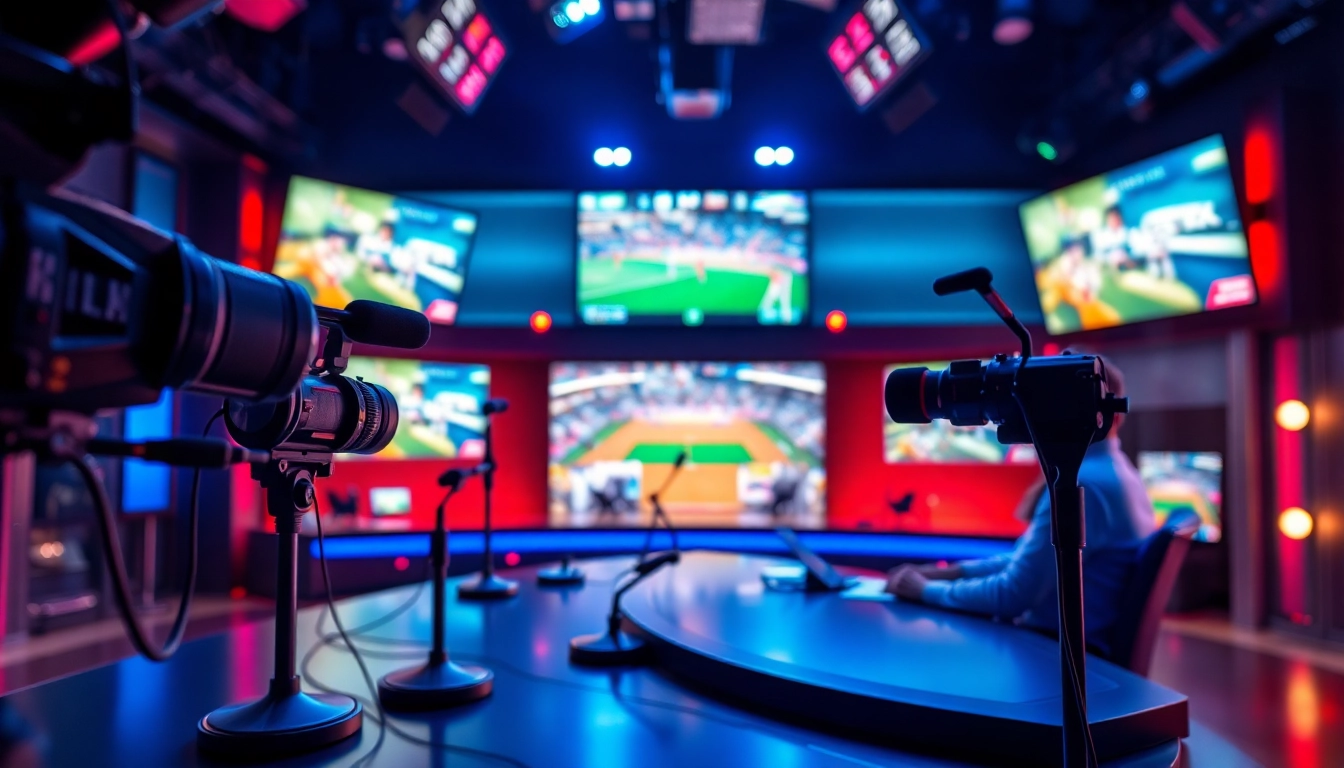
The integration of technology has revolutionized sports broadcasting. High-definition cameras, drones, virtual reality, and augmented reality create immersive viewing experiences that were once unimaginable. Broadcasters utilize sophisticated equipment, including audio mixers and switchers, to ensure seamless transitions and high sound quality. Additionally, data analytics tools provide invaluable insights, empowering broadcasters to make informed decisions and enhance storytelling. Familiarization with the latest equipment and technology enables broadcasters to deliver content that resonates with contemporary audiences.
Research and Preparation Strategies
Preparation is an often underrated but crucial aspect of sports broadcasting. Prior to each event, broadcasters must conduct thorough research, studying team dynamics, player statistics, historical performances, and potential storylines to watch during the event. This preparation allows for more enriching commentary, as broadcasters can provide context and depth to the viewing experience. Developing efficient research strategies through databases, analytics, and expert consultations can enhance broadcasters’ ability to deliver compelling content and stay ahead of the competition.
Understanding the Audience
Identifying Target Viewers for Sports Broadcasting
Understanding the audience is fundamental to sports broadcasting. Different demographics engage with sports in distinct ways, influenced by age, interests, cultural backgrounds, and technology accessibility. Identifying target viewers allows broadcasters to tailor their content accordingly. For instance, younger audiences may prefer streaming platforms and interactive content, while older viewers might favor traditional television broadcasts. Understanding these preferences can inform promotional strategies and content delivery methods, ensuring maximum reach and engagement.
Building Viewer Engagement
Engagement goes beyond merely presenting a game; it involves creating a community around the content. Broadcasters can foster viewer engagement through interactive elements such as live polls, social media discussions, and fan call-ins. This approach not only humanizes the broadcasters but also builds a loyal fanbase. Additionally, creating engaging narratives around teams and players encourages viewers to invest emotionally in the outcomes of games, resulting in deeper levels of engagement.
Feedback and Audience Interaction
Feedback from viewers is a vital component of sports broadcasting. Broadcasters who actively seek input and respond to audience opinions can refine their approach and enhance future broadcasts. This interaction can take many forms, from social media platforms to call-in segments during broadcasts. Understanding viewer preferences can lead to constant evolution in content delivery, ultimately improving the quality of broadcasts and ensuring they meet the needs of the audience.
Emerging Trends in Sports Broadcasting
Streaming and Live Coverage Innovations
As technology advances, streaming has emerged as a driving force in sports broadcasting. Many viewers now prefer the flexibility to watch games on demand and utilize various devices, from smartphones to smart TVs. Innovations in streaming technology have enabled high-quality broadcasts with interactive features, engaging viewers in unprecedented ways. Broadcasters are increasingly investing in their own streaming platforms to meet this demand, offering exclusive content and live event coverage that enhances viewer choice and engagement.
Interactive Broadcasting Techniques
Interactive broadcasting techniques are reshaping how audiences experience sports. This can include features like multiple camera angles, viewer-controlled replays, and data analysis overlays. Such innovations engage viewers actively rather than passively consuming content. As broadcasters refine these technologies, they create enriched experiences that cater to an audience eager for deeper involvement. The combination of interactivity and real-time engagement points toward an exciting future for sports broadcasting.
Utilizing Social Media for Expansion
Social media has become an essential tool for expanding the reach of sports broadcasts. Platforms like Twitter, Instagram, and TikTok act as valuable channels for promoting content, engaging with fans, and fostering community discussions. By sharing highlights, live updates, and behind-the-scenes insights, broadcasters can enhance their visibility and grow their audience base. Effective social media strategies can also facilitate collaboration with influencers and other content creators, further amplifying reach and engagement.
The Future of Sports Broadcasting
Adapting to Technological Advances
The future of sports broadcasting lies in its ability to adapt to ongoing technological advancements. As new technologies emerge, broadcasters must embrace them to enhance the viewer experience. From augmented and virtual reality experiences to artificial intelligence-driven analytics, staying ahead of technological trends is vital for creating compelling content. By harnessing these advancements, broadcasters can deliver innovative and memorable sports experiences that captivate audiences.
Career Opportunities in Sports Broadcasting
As the field of sports broadcasting continues to evolve, so do the career opportunities it presents. From on-air talent to technical roles, sports broadcasting offers a myriad of paths. Aspiring broadcasters must develop their skills in communication, production, and technology while being adaptable to new trends. Networking within the industry can also open doors and create opportunities for collaboration and growth, making it essential for those looking to enter the field.
Challenges Facing the Industry
The sports broadcasting industry is not without its challenges. Rapid technological advancements can create a steep learning curve for professionals, while shifting viewer preferences demand constant innovation. Additionally, competition among platforms for viewer attention can lead to saturation, making it imperative for broadcasters to distinguish themselves through quality content and unique viewer experiences. Addressing these challenges requires strategic planning, a flexible approach, and a deep understanding of market trends.
FAQs about Sports Broadcasting
What qualifications are needed for a career in sports broadcasting?
A degree in communications or journalism is typically helpful. Practical experience through internships or entry-level positions can also be valuable.
How has technology changed sports broadcasting?
Technology has improved the quality of broadcasts, introduced analytics, enabled streaming services, and provided interactive fan experiences.
What skills are essential for sports broadcasters?
Strong communication, research, analytical thinking, technical proficiency, and the ability to engage audiences are critical skills for success.
How do broadcasters engage with their audience?
Broadcasters engage with audiences through social media, live polls, interactive segments, and responding to viewer feedback.
What are the future trends in sports broadcasting?
Future trends include advanced streaming options, virtual reality experiences, personalized content, and enhanced audience interactivity through technology.