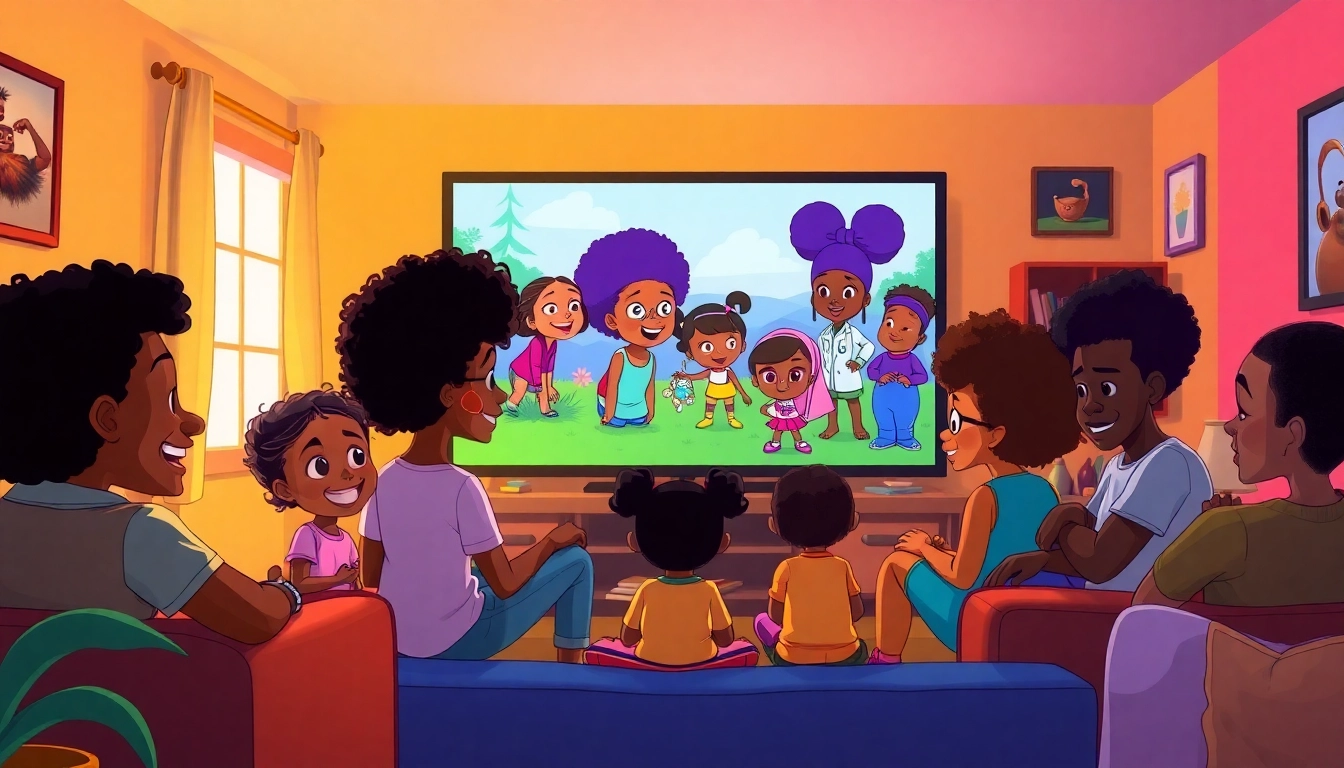
Introduction to African American Cartoons
African American cartoons hold a significant place in the animation landscape, offering diverse narratives and representation that resonate deeply with audiences. These animations not only entertain but also reflect cultural experiences and challenges faced by African Americans throughout history. From classic shows to contemporary series, African American cartoons have evolved, breaking stereotypes and establishing a rich legacy within the broader context of animation. As we explore this colorful tapestry, it’s important to recognize how these animations contribute to understanding cultural identities and fostering inclusivity.
When exploring options, African American Cartoons offer comprehensive insights into this vibrant genre.
Defining African American Cartoons
African American cartoons are animated series or films that feature black characters, stories, and cultural elements, often created by African American artists and writers. These animations serve not only to entertain but also to educate and inspire viewers by portraying relatable experiences, societal issues, and historical contexts. The genre encompasses various styles, from comedic to serious narratives, ensuring a wide array of content that appeals to all ages.
The Importance of Representation in Animation
Representation in animation is crucial, as it shapes perceptions and encourages acceptance of diversity. African American cartoons allow for authentic storytelling that reflects the realities of black life, providing role models and relatable characters for young viewers. By showcasing a range of experiences, these animations help to dismantle stereotypes and foster understanding among different cultural backgrounds.
Historical Milestones in Black Animation
The history of African American cartoons is marked by significant milestones that paved the way for the evolution of the genre. Early examples include the work of artists like George Herriman in the 1920s and later, the groundbreaking series “Fat Albert and the Cosby Kids” in the 1970s, which brought black culture into the mainstream. In the 2000s, “The Boondocks” achieved critical acclaim for its bold narrative and social commentary, proving that animation could be a powerful medium for addressing societal issues.
Notable Characters in African American Cartoons
Exploring Iconic Black Cartoon Characters
Numerous characters have defined African American cartoons, each contributing to cultural conversations and inspiring audiences. Icons like Huey and Riley Freeman from “The Boondocks” provide sharp commentary on racial identity and societal norms, while characters such as Doug and his friends in “Doug” introduced a diverse school environment that resonated with many. Other beloved characters include Penny Proud from “The Proud Family” and Dottie from “Doc McStuffins,” both of whom empower children by exemplifying strength, intelligence, and creativity.
New Faces: Rising Stars in Animation
As the landscape of animation continues to evolve, new characters are emerging that represent the dynamic nature of African American culture. Recent shows like “Craig of the Creek” and “Young Justice” have introduced fresh characters that engage younger audiences while maintaining a cultural relevance. These rising stars contribute to ongoing conversations about identity, friendship, and bravery in the face of adversity.
Impact of These Characters on Cultural Identity
The impact of African American cartoon characters on cultural identity cannot be overstated. They serve as powerful symbols of resilience and creativity, enabling viewers to see themselves represented in a medium that has historically marginalized their experiences. By portraying diverse family structures, friendships, and cultural practices, these characters help to build pride and foster a sense of belonging among viewers.
Popular African American Cartoons for Kids
Top Animated Series for Young Audiences
Many African American cartoons are specifically designed for children, providing entertainment as well as important life lessons. Series like “Doc McStuffins” and “Little Bill” are excellent examples that combine engaging stories with educational content. They tackle themes such as empathy, problem-solving, and creativity, making them valuable resources for both parents and educators seeking to promote positive values in children.
Learning Through Entertainment: Educational Cartoons
Educational cartoons that incorporate African American culture are vital in reinforcing important social and emotional skills. Shows like “Tayo the Little Bus” and “Sesame Street” feature segments that celebrate diversity and multiculturalism, teaching children about acceptance and understanding from a young age. These animations provide a foundation for social awareness and encourage children to embrace differences.
Engaging Storylines That Promote Diversity
Engaging storylines that highlight diverse experiences are essential to capturing the attention of young audiences. Series like “Proud Family: Louder and Prouder” address contemporary issues such as social justice, family dynamics, and identity while delivering humor and entertainment. These story arcs not only entertain but also facilitate meaningful discussions between children and adults about societal topics.
The Evolution of African American Animation
Trends in Black Animation from 2000 to 2026
The evolution of African American animation has seen significant trends from 2000 to 2026, with an increasing focus on authenticity and representation. As technology advances, animated series are becoming more sophisticated in storytelling and animation techniques, allowing for more nuanced character development. Recent years have also seen a surge in independent creators and digital platforms, enabling unique voices to present their narratives.
Influential Creators and Their Contributions
Influential creators play a vital role in shaping the landscape of African American cartoons. Figures such as Aaron McGruder, creator of “The Boondocks,” and Princess Shuri from Marvel, have brought attention to racial and cultural issues through their works. Their contributions inspire a new generation of animators and storytellers to explore themes that resonate with their own experiences, further enriching the genre.
Future Directions for Black Animation
The future of African American animation appears vibrant, with numerous opportunities for innovation and storytelling. As the demand for diverse content continues to grow, creators are encouraged to push boundaries and explore new themes. Collaborations between established studios and independent creators could lead to compelling narratives that reflect the evolving culture of African Americans in a globalized world.
Engaging with African American Cartoons
How to Find and Support Diverse Content
Finding and supporting diverse content is crucial in promoting African American cartoons. Streaming services, educational platforms, and community programs often feature shows that celebrate diversity. Engaging with these platforms not only supports creators but also encourages more diverse storytelling in mainstream media. Communities can also host screenings and discussions to further promote understanding and appreciation of African American culture.
Creating Communities Around Animated Stories
Creating communities around animated stories allows fans to celebrate and share their love for African American cartoons. Social media platforms and fan forums provide spaces for discussion, allowing individuals to connect over their favorite characters and shows. Additionally, local libraries and schools can host events featuring African American cartoons, fostering a sense of community and cultural pride among young viewers.
Ways to Foster Appreciation for African American Culture
Fostering appreciation for African American culture can be achieved through various methods, including educational workshops, collaborative projects, and interactive storytelling sessions. By exposing audiences to the rich histories and contributions of African Americans within animation, we cultivate a deeper understanding and respect for diverse experiences. Encouraging children to engage with these stories promotes empathy and a sense of belonging in a multicultural society.