Understanding the Pink Screen: Definition and Uses
The pink screen is rapidly gaining recognition as a versatile tool used in various fields, from creative industries to health and wellness. Its soft, warm hue is not just aesthetically pleasing; it provides a multitude of practical benefits, including reducing eye strain and enhancing mood. When exploring options, pink screen tools offer comprehensive insights into the various applications and advantages of this innovative technology.
What is a Pink Screen?
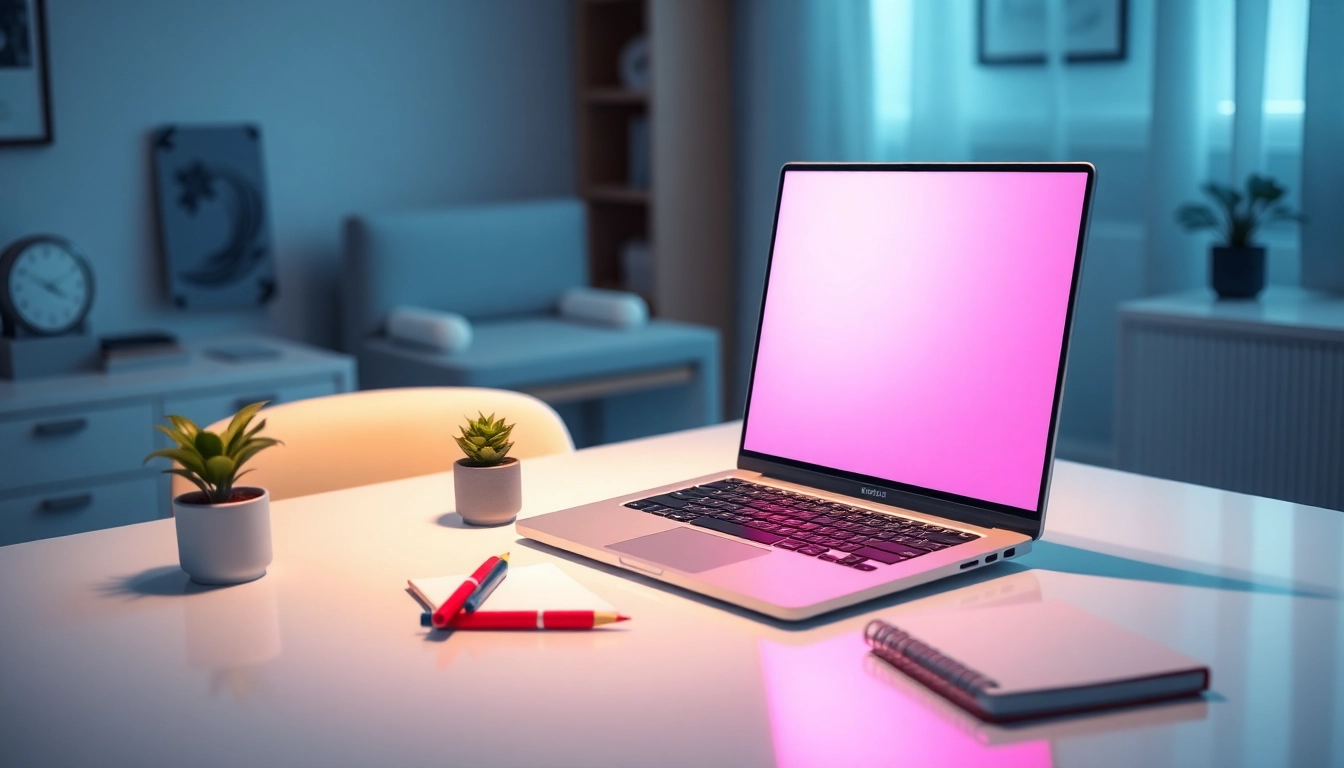
A pink screen is a digital display or a solid color background that features a vibrant pink hue, typically utilized for ambient lighting, visual testing, and artistic purposes. Unlike traditional backgrounds, the pink screen is designed to create a calming atmosphere, which can be particularly beneficial in settings where lighting plays a crucial role, such as in photography, video streaming, or even during meditation sessions.
Common Applications of Pink Screen
- Creative Backgrounds: Used in photography and video production to add a unique visual tone.
- Ambient Lighting: Serves as a backdrop for relaxation and mood enhancement in various environments.
- Screen Testing: Helpful for identifying display issues such as dead pixels or dirty screens.
- Child-Friendly Environments: Provides a gentle visual experience for young eyes.
- Digital Well-Being: Assists in creating a comfortable viewing environment, reducing eye strain during prolonged use.
Benefits of Using a Pink Screen
The advantages of employing a pink screen are diverse and impactful. Firstly, the soft hue promotes a calming atmosphere, making it ideal for relaxation and stress relief. Additionally, it serves practical purposes in display testing, allowing users to effortlessly spot imperfections on screens. Furthermore, the warm tone of the pink screen can significantly reduce eye fatigue, making it a preferred choice for extended viewing periods.
How to Effectively Utilize Pink Screen Technology
Setting Up Your Pink Screen Tool
Getting started with a pink screen is straightforward. To utilize this tool, visitors can choose their preferred shade of pink from the palette and click the ‘Launch’ button to engage the tool in fullscreen mode. This process is simple and does not require any special software or registration, making it accessible for all users.
Tips for Optimal Display Settings
For the best experience with a pink screen, consider adjusting your device’s display settings. For instance, ensure that brightness is set at a comfortable level to minimize glare. Users can also experiment with varying shades of pink to find the most visually appealing hue that suits their specific environment and needs.
Creative Use Cases for Pink Screen in Professional Settings
In professional domains, pink screens can transform presentations and live events. For example, in photography, a pink backdrop can enhance subject matter by providing a vivid contrast. In virtual meetings, using a pink screen can create an uplifting atmosphere, allowing for improved audience engagement. For artists and content creators, the warm ambiance can serve as a source of inspiration, motivating creativity.
Health and Safety Considerations for Extended Use
Eye Comfort and Reduced Strain
While the pink screen is designed to reduce eye strain, it is essential to consider eye health carefully. The warm tones of a pink screen make it easier on the eyes compared to harsh white or blue lights. Implementing features like blue light filters combined with a pink screen can enhance comfort during prolonged use.
Recommended Usage Duration
Although the pink screen is gentler on the eyes, it is wise to observe recommended usage durations. Experts suggest taking breaks every 20-30 minutes to prevent eye fatigue. During breaks, engaging in distance vision tasks or simply resting the eyes can help maintain optimal eye health.
Best Practices for Screen Breaks
- The 20-20-20 Rule: For every 20 minutes of screen time, look at something 20 feet away for at least 20 seconds.
- Hydrate: Remember to drink water regularly to keep eyes hydrated.
- Adjust Lighting: Ensure the surrounding light is adequate to avoid unnecessary strain.
Comparative Analysis: Pink Screen vs. Other Backgrounds
Advantages Over Traditional White and Blue Screens
The pink screen offers several advantages over its white and blue counterparts. While white screens can cause glare and reflection, leading to discomfort, and blue screens have been linked to increased eye strain and disrupted sleep, pink screens provide a softer, more inviting ambiance, which is conducive to relaxation and comfort.
Choosing Between Colors for Specific Needs
When deciding on the color for background usage, consider the purpose. For instance, while pink is excellent for relaxation and creativity, other colors like blue may be more suitable for productivity and alertness. Understanding the psychological effects of color can aid in selecting the right hue for the desired emotional response.
Audience Preferences: Survey Insights
Recent surveys reveal that users prefer softer backgrounds for tasks requiring concentration, with pink consistently ranking high among choices for its calming effect. Awareness of audience preferences can guide professionals in selecting appropriate tools for presentations or multimedia projects.
Future Trends for Pink Screens in 2025 and Beyond
Emerging Technologies in Screen Tools
The future of pink screens appears promising with advancements in technology. Emerging tools may integrate features such as automatic color adjustment based on ambient light conditions or advanced algorithms that personalize colors according to user preferences. This adaptation could lead to even more effective visual comfort solutions.
Integration with Other Visual Aids
Future developments might also see pink screens being integrated with augmented reality (AR) and virtual reality (VR) applications, enhancing the overall user experience. By creating immersive environments that employ soothing colors like pink, users can benefit from a more engaging and less stressful interaction.
Predictions for Visual Design Trends
As we move forward, visual design trends are expected to lean towards softer palettes that blend functionality with comfort. The pink screen is poised to play a central role in this evolution, offering not only aesthetic appeal but also promoting well-being and productivity in various contexts.