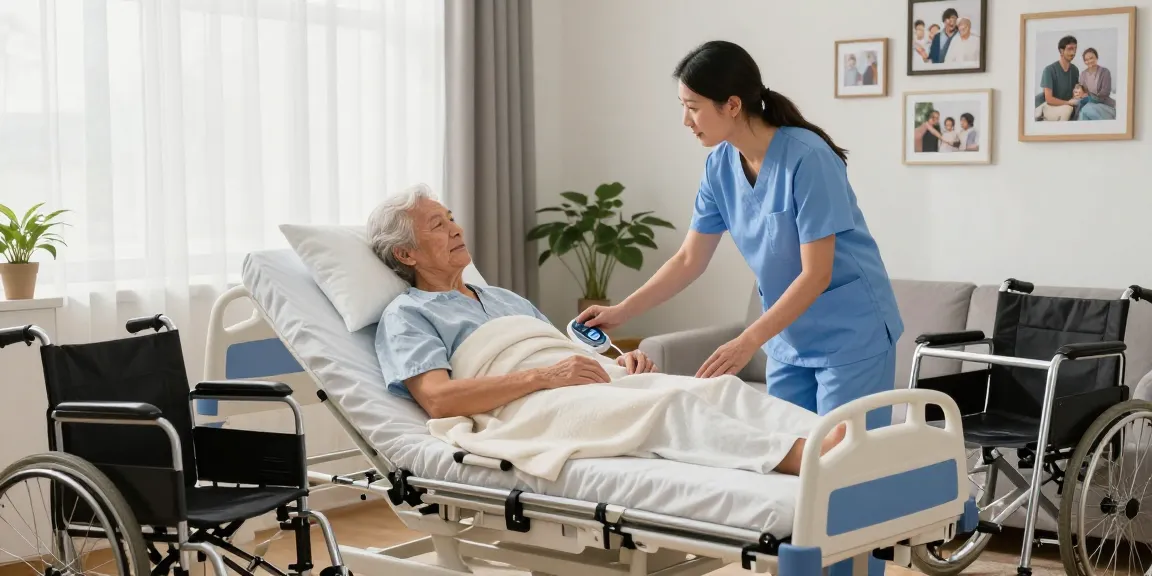
Understanding Giường Bệnh Nhân: Types and Features
A giường bệnh nhân, or hospital bed, plays a crucial role in the healthcare sector, especially for elderly patients and those requiring long-term care. This article will explore the various types of giường bệnh nhân, their features, and their significance in patient recovery. When exploring options, giường bệnh nhân provides comprehensive insights into various models and their functionalities.
What is a Giường Bệnh Nhân?
A giường bệnh nhân is a specially designed bed for patients who are undergoing treatment in hospitals or receiving care at home. Unlike standard beds, these beds can be adjusted to facilitate medical procedures, enhance comfort, and accommodate the needs of individuals with limited mobility. Their design can significantly impact patient care and recovery, providing essential support for medical professionals as they attend to their patients.
Key Features of Modern Giường Bệnh Nhân
Modern giường bệnh nhân come equipped with numerous features that enhance their usability and comfort. Some of the most common features include:
- Adjustable Height: Allows caregivers to modify the height of the bed for easier access.
- Head and Foot Elevation: Facilitates adjustments for patient comfort, aiding in recovery and breathing.
- Wheels: Enables easy movement within healthcare facilities or at home.
- Built-in Safety Rails: Provides security for patients to prevent falls.
Different Types of Giường Bệnh Nhân Explained
There are several types of giường bệnh nhân available, each designed for specific patient needs:
- Manual Beds: Require physical effort to adjust the position, suitable for caregivers who frequent the patient’s side.
- Electric Beds: Equipped with motors that allow remote adjustments for convenience.
- High-Low Beds: Ideal for patients with mobility challenges, allowing the bed to be raised or lowered according to the patient’s requirements.
- Specialty Beds: Designed for specific medical conditions, such as pressure-relieving mattresses to prevent bedsores.
The Importance of Comfort in Patient Recovery
Comfort is vital in the recovery process for patients. Research shows that patients who are comfortable tend to have better outcomes and shorter recovery times. Giường bệnh nhân are critical in providing this comfort through their innovative designs that allow for personalized adjustments.
How Giường Bệnh Nhân Facilitate Healing
The configuration of a giường bệnh nhân can directly influence healing. Beds that allow for adjustments help in reducing the risk of pressure ulcers, enhancing respiratory function through elevation, and promoting better circulation. Comfort leads to a more restful sleep, which is essential for recovery.
Impact of Design on Patient Well-being
The design of a giường bệnh nhân goes beyond aesthetics; it plays a functional role in ensuring the well-being of the patient. Features such as ergonomics, material quality, and ease of use for caregivers contribute significantly to the overall patient experience. A well-designed bed promotes independence and dignity among patients.
Case Studies: Successful Patient Recovery Stories
Many healthcare facilities have reported improved patient recovery rates after integrating modern giường bệnh nhân into their practices. For example, a study conducted in a rehabilitation center showed that patients who used electric adjustable beds experienced a 25% faster recovery than those on standard beds. Additionally, anecdotal evidence from caregivers highlights how these beds reduce strain during patient transfers, leading to fewer workplace injuries.
Choosing the Right Giường Bệnh Nhân for Specific Needs
Selecting the appropriate giường bệnh nhân is crucial and should be based on a variety of factors including the patient’s individual health conditions, mobility levels, and specific recovery needs. Here are some considerations for different scenarios.
Considerations for Elderly Patients
For elderly patients, a giường bệnh nhân should prioritize safety and ease of use. Features like lower height, side rails, and an easy-to-operate adjustment mechanism are essential to preventing falls and enabling independence. It’s also important to consider beds that can support additional medical equipment, such as oxygen concentrators or IV stands.
Choosing for Post-Surgery Recovery
Post-surgery patients often require beds that allow for multiple elevation levels to accommodate their recovery. Electric models are typically best for these individuals, as they provide easy adjustments without requiring physical exertion, facilitating a safer recovery process.
Assessing Patient Mobility Levels
Understanding a patient’s mobility level is vital in selecting a giường bệnh nhân. Patients with higher mobility may prefer manual beds for the control they offer, while those with limited mobility might benefit significantly from electric beds that reduce their need to move extensively.
Innovative Features of Modern Giường Bệnh Nhân
Modern technology has ushered in a new era of hospital beds, with numerous innovative features that aim to improve patient care. Here are some key advancements:
Electric vs. Manual Adjustments
The choice between electric and manual adjustments can significantly affect both caregiver workload and patient comfort. Electric beds can be adjusted with minimal effort, which can help prevent caregiver fatigue and improve overall care efficiency.
Integrated Safety Features in Giường Bệnh Nhân
Safety is paramount in the design of giường bệnh nhân. Features such as automated braking systems, lockable casters, and adjustable side rails provide an added layer of security for patients, ensuring they remain safe during their recovery.
Smart Technology Integration in Modern Designs
Emerging technologies are increasingly being integrated into giường bệnh nhân. Smart beds can monitor patient movements, detect pressure points, and provide data analytics that assist caregivers in tracking patient conditions effectively. This technology not only enhances care but also offers insights into optimizing patient recovery.
Future Trends in Giường Bệnh Nhân for 2026 and Beyond
The future of giường bệnh nhân looks promising, with ongoing advancements likely to transform patient care even further. Here are some predicted trends for the coming years.
Emerging Technologies in Healthcare Furniture
As healthcare technology continues to evolve, we can expect to see more innovative furniture solutions that integrate health monitoring systems directly into giường bệnh nhân, allowing real-time data collection that informs patient care strategies.
Predicted Trends for Patient-Centered Design
There is a growing emphasis on patient-centered design, which focuses on creating an environment that prioritizes the patient’s comfort, experience, and well-being. Future giường bệnh nhân may feature customizable settings that allow patients to determine their own comfort preferences.
Long-term Impacts on Healthcare Facilities
Investing in high-quality giường bệnh nhân can lead to reduced healthcare costs over time. Fewer complications and faster recoveries translate to lower hospital stays and better patient satisfaction, ultimately impacting the financial health of healthcare facilities.
Frequently Asked Questions
What are the benefits of using a giường bệnh nhân?
The benefits include increased comfort, enhanced recovery experiences, and greater safety for both patients and caregivers. These beds are designed to meet the unique needs of patients, making them essential in healthcare settings.
How to maintain and clean a giường bệnh nhân?
Maintenance involves regularly checking mechanical parts for wear, cleaning surfaces with appropriate disinfectants, and ensuring any electrical components are functioning correctly. Always refer to the manufacturer’s guidelines for specific care instructions.
Are there rental options for giường bệnh nhân?
Yes, many healthcare providers offer rental programs for giường bệnh nhân, making it more accessible for families who require a bed temporarily during recovery or care at home.
What are the safety standards for giường bệnh nhân?
Giường bệnh nhân must comply with specific safety regulations, which include structural integrity, weight capacity, and safety features such as side rails and locking mechanisms to prevent falls and accidents.
How can I assess which giường bệnh nhân is best for me?
Assess your specific needs, mobility level, and any medical conditions. Consulting with healthcare professionals and researching models can help you select the most suitable option for your situation.