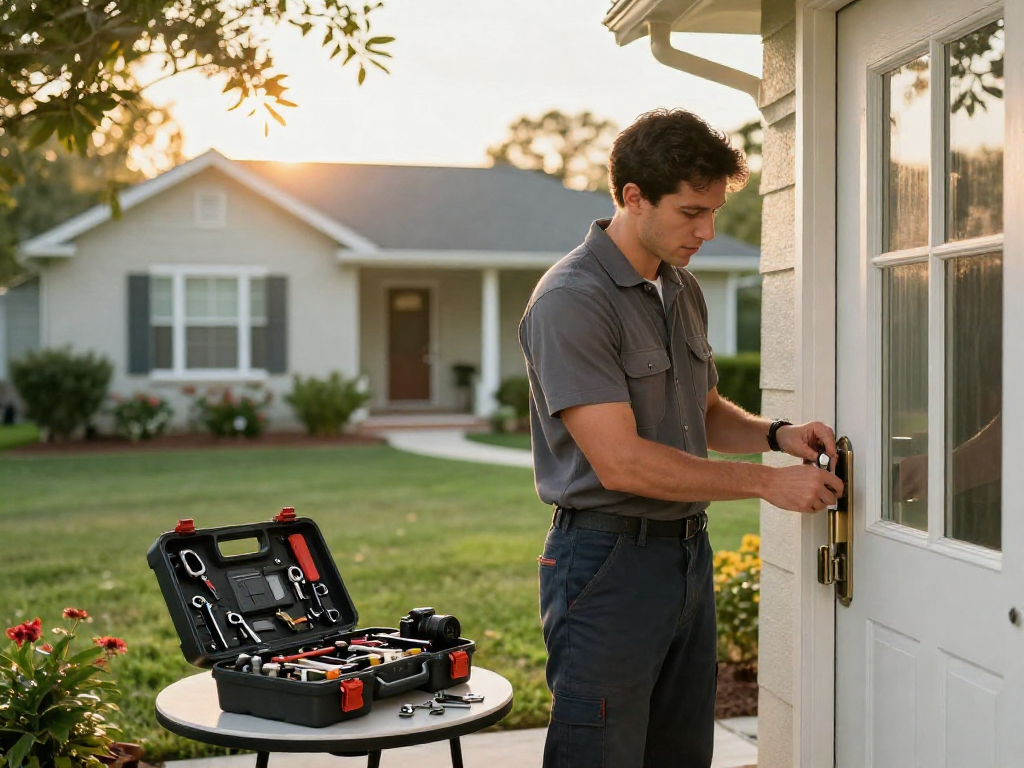
Understanding the Need to Rekey Locks in Port St. Lucie
For homeowners in Port St. Lucie, maintaining security is a top priority, and one of the most effective methods to enhance it is through rekeying locks. Rekeying involves altering the internal mechanism of a lock so that it can be operated by a new key, offering a fresh start in terms of security without the need for complete lock replacement. This process is especially valuable for those who have recently moved into a new home or experienced a change in their security needs. When exploring options, Rekey locks Port St. Lucie provides comprehensive insights into this essential service.
Why Homeowners Should Consider Rekeying?
Rekeying is not just a practical move; it’s a strategic decision for homeowners looking to bolster their security. One major reason to consider rekeying is if you've lost your key or believe it may have fallen into the wrong hands. Even if you feel secure in your neighborhood, it’s wise to take proactive measures by rekeying locks as a precaution.
- Changing Tenants: If you rent out your property, rekeying locks between tenants can help maintain control over who has access, ensuring that former tenants can't return uninvited.
- After a Break-In: If your home has been compromised, rekeying locks is a necessary step to regain a sense of security, especially if you have lost confidence in your existing locks.
- Moving to a New Home: New homeowners should always consider rekeying to prevent previous owners or their acquaintances from having access to the property.
Differences Between Rekeying and Replacing Locks
While rekeying and replacing locks may seem similar, they serve distinct purposes. Rekeying is generally more cost-effective; it modifies the existing lock instead of replacing the entire mechanism. This process is faster, usually taking less than an hour, whereas replacing locks can involve additional expenses for new hardware and installation.
In essence, rekeying is ideal for situations where the lock itself is still functional and secure, while replacing locks is necessary when the hardware is worn out or damaged.
Common Scenarios Requiring Rekeying Services
Homeowners in Port St. Lucie encounter various scenarios that necessitate rekeying services:
- Lost Keys: Having lost keys can create uncertainty about who might have access to your property.
- New Homeowners: Moving into an older home often means previous owners may still have keys, making rekeying a smart choice.
- Divorce or Separation: Changes in personal relationships can lead to the need for rekeying locks to maintain security.
- Upgrade in Security: Homeowners may choose to upgrade their locking systems while simultaneously ensuring that only new keys grant access.
The Rekeying Process Explained
Understanding the rekeying process can empower homeowners to take control of their security. This process typically involves several key steps to ensure effectiveness and safety.
Step-by-Step Guide to Rekey Locks
The rekeying process generally unfolds as follows:
- Assessment: A locksmith evaluates the lock to ensure it can be rekeyed effectively.
- Disassembly: The locksmith removes the lock from the door and disassembles it to access the internal components.
- Changing Pins: The locksmith replaces the existing pins with new ones that match the new key.
- Reassembly: After replacing the pins, the lock is reassembled and tested for functionality.
- Reinstallation: Finally, the lock is put back on the door, and the homeowner is provided with the new key.
Essential Tools Used by Professional Locksmiths
A skilled locksmith requires specific tools for rekeying locks, including:
- Key Gauge: This tool is used to measure the size of the existing key pins.
- Picks and Tension Wrenches: Essential for manipulating the lock mechanism during the rekeying process.
- Pin Kit: A set of assorted pins to match the new key.
- Screwdrivers: For disassembling and reassembling the lock.
How Long Does the Rekeying Process Take?
Typically, rekeying a lock can be completed within 30 to 60 minutes, depending on the complexity of the locking mechanism and any additional issues that may arise during the process. This quick turnaround makes it an appealing choice for homeowners needing immediate solutions.
Benefits of Choosing Local Locksmith Services
Opting for a local locksmith service can significantly enhance your rekeying experience. Local companies often bring advantages that national chains cannot match.
How Local Knowledge Enhances Service Quality
Local locksmiths possess an intrinsic understanding of Port St. Lucie and its neighborhoods. This familiarity allows them to navigate efficiently to your location and respond to emergencies without delay. They are also more likely to understand common security concerns specific to the area, enabling them to offer tailored solutions that meet your individual needs.
Cost-Effective Solutions from Community-Based Providers
Local locksmiths often provide competitive pricing without the hidden fees sometimes found with larger franchises. As a community-based provider, they value customer relationships and are inclined to offer fair pricing structures. You can often receive a straightforward quote over the phone before service is rendered.
Emergency Services and Accessibility in Port St. Lucie
In times of crisis, such as being locked out of your home or vehicle, local locksmiths offer 24/7 emergency services. Their proximity to your location ensures faster response times, typically within 20-30 minutes. Such accessibility is invaluable for a seamless resolution to your security emergencies.
Maintaining Home Security After Rekeying
Once the rekeying process is complete, it's essential to maintain your home's security to prevent future vulnerabilities. Awareness of best practices can help you safeguard your property effectively.
Best Practices for Securing Your Home Post-Rekey
After rekeying, homeowners should follow these best practices:
- Change Your Routine: Avoid predictable patterns that could make it easier for intruders to plan an attack.
- Upgrade Additional Locks: Consider upgrading other locks in your home or installing deadbolts for an added layer of security.
- Use Smart Locks: Incorporating smart technology can enhance security and offer remote access features.
When to Consider Additional Security Measures
Monitoring your home’s security should be ongoing. If you notice unusual activity or if your neighborhood experiences an increase in crime, it may be time to consider additional measures like:
- Home Security Systems: Investing in an alarm system or security cameras can provide peace of mind.
- Security Lighting: Installation of motion-sensor lighting around your property can deter potential intruders.
Regular Lock Maintenance Tips for Homeowners
Proper maintenance of locking mechanisms helps prolong their lifespan and ensures security:
- Regular Cleaning: Clean locks regularly to prevent dirt buildup that can interfere with functionality.
- Lubrication: Use a graphite lubricant to keep locks operating smoothly.
- Routine Inspections: Periodically check all locks for signs of wear or damage.
Future Trends in Locksmithing and Home Security
The locksmithing industry is constantly evolving, especially as technology advances. Understanding these future trends can help homeowners stay ahead of potential security threats.
Innovations in Lock Technology for 2026
As we move toward 2026, innovations in lock technology are expected to become more pronounced. Integrating electronic locks with mobile apps for keyless entry is just one of many advancements that allow homeowners to manage access remotely, enhancing convenience and security.
The Role of Smart Locks in Modern Security Solutions
Smart locks are increasingly popular among homeowners, allowing for features such as temporary access codes and integration with other home automation systems. This technology reduces the need for physical keys and aids in monitoring who enters or exits the home.
Predictions for Locksmith Services in the Next Decade
Looking ahead, locksmith services are likely to diversify further, with a greater emphasis on cybersecurity solutions in addition to traditional lock services. Hackers and digital intrusions are emerging threats, prompting locksmiths to expand their offerings into areas such as doorbell cameras and electronic security assessments.
What is the Average Cost to Rekey Locks?
The cost to rekey locks can vary based on the complexity of the locking mechanism and the service provider. Generally, prices range from $15 to $40 per lock, with additional fees for emergency services or travel, but it remains a cost-effective security measure in comparison to full lock replacements.
Is Rekeying Locks Safe and Reliable?
Rekeying is both safe and reliable, as it allows homeowners to maintain control over who has access to their property. Professional locksmiths ensure high-quality workmanship, and the security integrity of the lock remains intact with the updated keying.
How Often Should You Consider Rekeying Your Home?
As a rule of thumb, homeowners should consider rekeying their locks at least once a year or whenever there is a change in living arrangements or security needs. Regularly evaluating your security policies is essential for ongoing safety.
What to Expect from a Professional Locksmith?
When hiring a professional locksmith, expect a clear communication process outlining services, costs, and timeframes. A reputable locksmith should provide a written estimate, ensuring transparency and trust throughout the service.
How Can I Verify a Locksmith's Credentials?
Before hiring a locksmith, verify their credentials by checking for proper licensing, insurance, and customer reviews. Reputable locksmiths will often have a physical business address and be members of professional organizations.