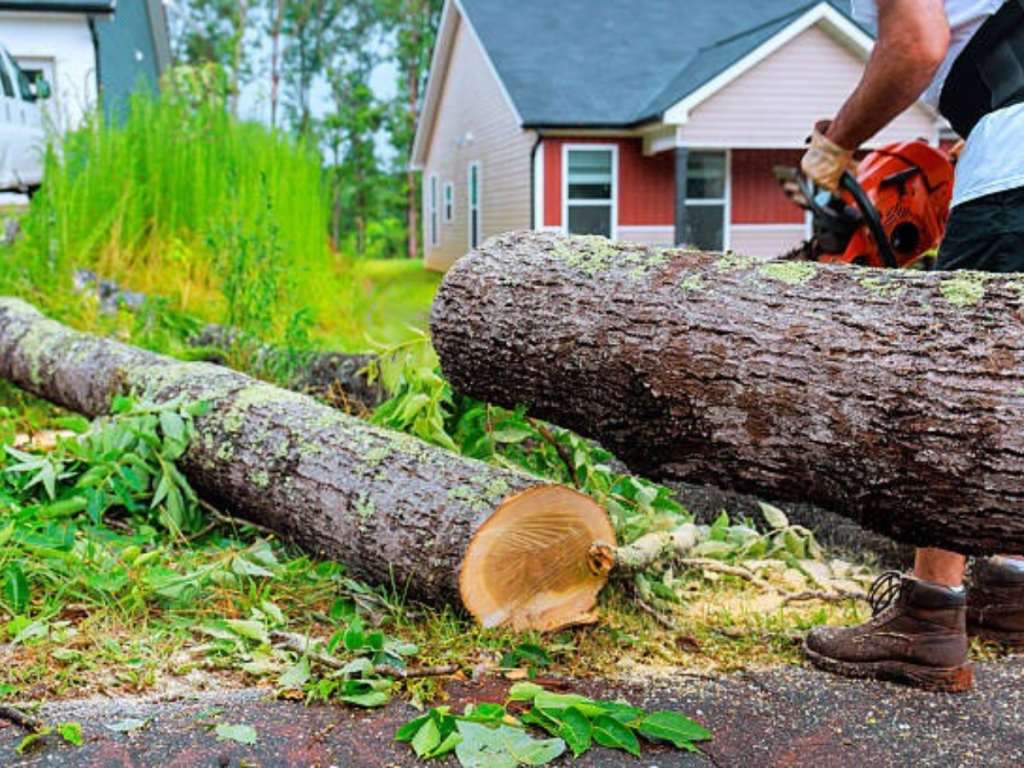
When nature unleashes its force, trees can quickly turn from assets into hazards. Fallen limbs, cracked trunks, and leaning trees don’t just affect curb appeal, they create real danger for families, pets, vehicles, and homes. Understanding how to handle emergency tree work is essential for any property owner, especially in regions prone to storms and heavy winds. But not all tree work is the same, and knowing when to call a professional can save time, money, and most importantl, lives.
At Pacific Land Preservation LLC, located at 8825 34th Ave NE Ste 325, Marysville, WA 98271, we specialize in comprehensive tree services, including advanced technical tree removal capable of handling the most hazardous scenarios. Our team combines deep arboricultural knowledge with the right equipment and safety protocols to manage emergency situations effectively.
What Is Emergency Tree Work?
Emergency tree work refers to urgent interventions required when a tree or its branches pose an immediate threat to safety or property. This differs from routine maintenance like pruning or scheduled removal, it’s about acting swiftly when a situation becomes dangerous.
Common triggers for emergency tree work include:
- Trees uprooted or cracked by severe weather.
- Large limbs hanging precariously over homes or driveways.
- Trees leaning at hazardous angles, threatening collapse.
- Roots heaving from soil, destabilizing the tree’s base.
- Trees or branches touching power lines or blocking critical access routes.
In these situations, waiting even a day can make a risky tree fail entirely. Every moment matters when stability and safety are at stake.
Why Professional Intervention Is Essential
Facing an emergency tree hazard alone isn’t just risky, it can be downright life‑threatening. Homeowners often underestimate the forces involved; a large branch can weigh hundreds of pounds, and unpredictable tree behavior can cause serious injury or property damage.
Certified arborists and trained tree crews understand how to:
- Assess the structural integrity of a compromised tree.
- Identify internal weaknesses that aren’t visible to the untrained eye.
- Use specialized rigging, harnesses, and cutting techniques to control the fall path.
- Safely work around power lines, buildings, and other structures.
By contrast, improvised attempts at removal, especially with chainsaws and ladders, expose people to falls, cuts, electrocution risk, and even legal liability if something goes wrong.
Technical Tree Removal: Going Beyond Simple Cuts
Not all tree removals are straightforward. When a tree is large, positioned near structures, or severely damaged, it requires technical tree removal procedures, a level of skill and strategy that elevates safety and precision.
Technical tree removal is a specialized service that incorporates:
- Strategic dismantling of trees from the top down to carefully control how each section falls.
- Use of cranes, ropes, and rigging systems to avoid collateral damage.
- Handling fallen, dead, and dying trees that can’t be removed traditionally.
This kind of service is vital in emergency contexts where a simple cut isn’t enough, the tree must be deconstructed meticulously to safeguard both property and workers.
Step‑by‑Step: Handling an Emergency Tree Situation
1. Recognize the Signs of Immediate Danger
The first step is understanding when a tree truly warrants emergency attention. Visible warning signs include large cracks in the trunk, limbs hanging at odd angles, sudden leaning after soil erosion, or lifeless trees that have begun decaying. If any of these conditions are present near living spaces, call for professional help immediately.
2. Keep Clear and Document the Situation
Once danger is identified, ensure everyone stays away from the affected area. It’s also wise to document the condition with photos for insurance claims and professional assessments. But don’t attempt to fix the problem yourself, that’s where most injuries occur.
3. Contact a Qualified Tree Service
A rapid response from a reputable provider ensures that the emergency tree work is handled safely and efficiently. Their team evaluates the situation comprehensively, plans the safest approach, and mobilizes the necessary tools and personnel.
4. Professional Evaluation and Removal
Through technical tree removal techniques, the crew will dismantle or remove the hazardous tree in a controlled manner. This might include rigging heavy limbs, using cranes for large sections, and stabilizing nearby trees to prevent cascading failures.
5. Final Cleanup and Restoration
After the dangerous tree is removed, stump grinding and debris removal can also be completed, clearing the way for landscaping or redevelopment. This thorough aftermath care prevents trip hazards, insect infestations, and unsightly remnants on your property.
How Emergency Tree Work Protects Your Property
Emergency tree work isn’t only about immediate danger, it’s about preserving long‑term property value and safety. Left untreated, hazardous trees can lead to:
- Roof damage from falling limbs.
- Cracked foundations due to shifting roots.
- Blocked driveways or public access points.
- Increased liability if a visitor is injured.
Professional emergency intervention prevents these issues and creates a clear plan for managing risks before they worsen.
Choosing the Right Tree Service Provider
When time is of the essence, you want a partner you can trust. A qualified tree service provider should offer comprehensive solutions, including technical tree removal and specialized services tailored to storm damage and safety concerns. An experienced team is equipped to assess every tree scenario and deliver solutions with precision, efficiency, and care.
By choosing a licensed and experienced provider, you ensure that emergency tree work is done in accordance with safety standards and local regulations, giving you both protection and peace of mind.
Preventive Measures to Reduce Emergency Risks
Regular tree inspections and maintenance can drastically reduce the need for emergency tree work. Identifying weak branches, monitoring soil stability, and addressing early signs of disease help prevent hazardous situations. Scheduled pruning and professional assessments ensure trees remain healthy, structurally sound, and less likely to cause damage during storms or high winds.
Act Fast, Act Smart
Emergency tree work is about urgency and expertise. When a tree threatens safety or property, quick and professional action is essential. Rather than risking injury or equipment damage by attempting DIY fixes, rely on trained arborists who know how to manage risk and execute technical removals with the right tools and strategies.
From recognizing danger signs to final cleanup, Pacific Land Preservation LLC offers a complete and reliable response to emergency tree work challenges, helping homeowners protect their landscapes, property, and loved ones when it matters most.\