Understanding Vegan Astaxanthin Supplements
In an era where health and wellness are increasingly intertwined with dietary choices, vegan astaxanthin supplements have emerged as a powerful ally for many individuals seeking to enhance their well-being. Astaxanthin, a potent antioxidant derived from microalgae, boasts a range of potential health benefits. This article will delve into the significance of astaxanthin, especially from vegan sources, while also exploring common misconceptions and how to choose the right supplement for your needs. When exploring options, a vegan astaxanthin supplement can provide comprehensive insights into this revolutionary nutrient.
What is Astaxanthin and Its Benefits?
Astaxanthin is a carotenoid pigment that gives things like salmon, shrimp, and flamingos their distinctive pink hue. However, its benefits stretch far beyond cosmetic appeal. As a powerful antioxidant, astaxanthin helps combat oxidative stress in the body, which is linked to numerous chronic diseases. Research suggests that astaxanthin may:
- Enhance skin health by protecting against UV damage and improving skin elasticity.
- Support eye health by shielding the retina from oxidative damage.
- Boost athletic performance by reducing muscle fatigue.
- Improve heart health by lowering inflammation and cholesterol levels.
These benefits make astaxanthin a sought-after ingredient in dietary supplements and functional foods, especially among those interested in vegan or plant-based diets.
The Importance of Vegan Sources of Astaxanthin
While astaxanthin can be sourced from various marine life, vegan formulations are crucial for individuals adhering to plant-based lifestyles. Microalgae, particularly Haematococcus pluvialis, is the most effective vegan source of astaxanthin. The shift towards vegan supplements not only aligns with ethical considerations regarding animal welfare but also promotes sustainability. Vegan astaxanthin supplements are free from contaminants often found in fish oils, such as heavy metals and microplastics, providing a cleaner alternative.
Common Myths About Astaxanthin Supplements
Despite its growing popularity, many myths circulate about astaxanthin supplements. One prevalent misconception is that all astaxanthin is the same, irrespective of its source. In reality, the bioavailability and potency can vary significantly depending on the extraction method and purity. Another myth is that astaxanthin can replace traditional medical treatments. While it can certainly complement a healthy lifestyle, it should not be viewed as a substitute for professional healthcare.
Choosing the Right Vegan Astaxanthin Supplement
With a plethora of options available, selecting the right vegan astaxanthin supplement can be overwhelming. Factors such as ingredient quality, extraction methods, and reliable sourcing must be considered to ensure you’re getting the most effective product.
Factors to Consider When Selecting Supplements
When choosing a vegan astaxanthin supplement, consider the following factors:
- Source: Look for products derived from Haematococcus pluvialis, which is the most potent natural source.
- Extraction Method: Prefer supplements that use supercritical CO2 extraction. This method ensures purity without the use of solvents.
- Third-Party Testing: Choose brands that have undergone independent testing for potency and purity.
Comparing Vegan Astaxanthin Products
As you browse various vegan astaxanthin products, compare their concentration levels, dosage per serving, and additional ingredients. Some formulations may include complementary nutrients like omega-3 fatty acids or vitamin E, which can further enhance the benefits of astaxanthin. Product reputation and customer reviews should also inform your decision-making process.
How to Read Supplement Labels Effectively
Understanding how to read supplement labels is essential to making informed choices. Look for the following:
- Active Ingredients: Check the amount of astaxanthin per serving.
- Other Ingredients: Note any fillers, binders, or additives that may not align with your dietary preferences.
- Serving Size: Ensure that the serving size aligns with your health goals and daily intake considerations.
Optimal Dosage and Usage Guidelines
Determining the optimal dosage of astaxanthin can depend on various factors, including individual health goals and specific health conditions. Below are guidelines to help you navigate dosage considerations.
Determining the Right Dosage for Your Needs
Most health organizations recommend a dosage of between 4 to 12 mg of astaxanthin per day for general health benefits. However, specific conditions may require tailored dosages:
- For skin health, studies suggest up to 6 mg daily.
- Athletes may benefit from 12 mg to reduce muscle fatigue.
Consulting with a healthcare provider is advisable before starting any new supplement regimen, especially if you have underlying health issues or are taking medications.
Best Practices for Taking Astaxanthin
Astaglanz with food that contains fat can enhance absorption, as astaxanthin is fat-soluble. Taking the supplement with a meal containing healthy fats, such as avocado or nuts, may provide better results. It's also beneficial to establish a routine, taking your supplement at the same time each day to foster consistency.
When to Expect Results from Supplementation
While individual responses can vary, many people may experience noticeable benefits within 2 to 12 weeks of consistent supplementation. Factors such as diet, lifestyle, and metabolic rate can all influence how quickly you see results. Keeping a health journal may help track changes over time.
Integrating Astaxanthin into Your Diet
Beyond supplementation, incorporating astaxanthin-rich foods can enhance your intake naturally. Here are some delicious ways to do so.
Delicious Recipes Using Vegan Astaxanthin
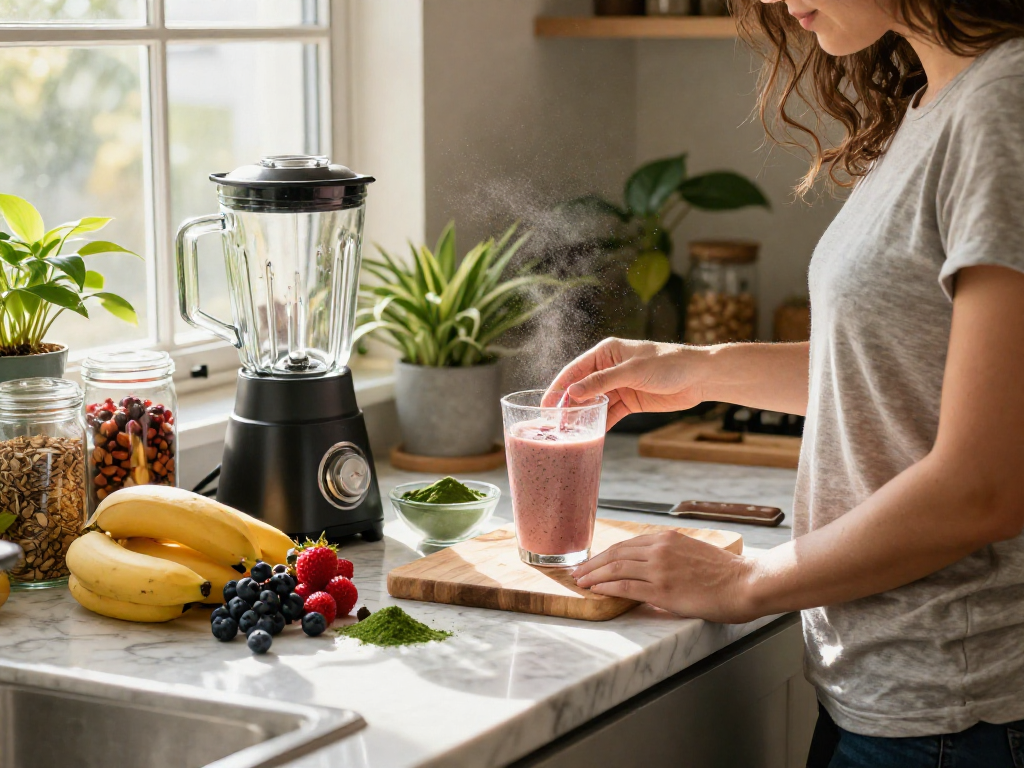
Consider adding astaxanthin powder to smoothies, soups, or salad dressings. Here’s a quick recipe for an astaxanthin smoothie:
- Ingredients:
- Instructions: Blend until smooth and enjoy!
Pairing Astaxanthin with Other Nutrients
Astaxanthin can work synergistically with other nutrients. Pairing it with omega-3 fatty acids, for instance, may enhance its anti-inflammatory effects. Other powerful combinations include:
- Astaxanthin and vitamin C for enhanced skin protection.
- Astaxanthin and CoQ10 for heart health support.
Creating a Balanced Vegan Meal Plan
Incorporating astaxanthin into a balanced vegan meal plan involves diverse foods rich in antioxidants and healthy fats:
- Include fruits and vegetables such as berries, leafy greens, and carrots.
- Incorporate healthy fats from nuts, seeds, avocados, and olive oil.
- Pay attention to whole grains for added fiber and nutrients.
Future Trends in Vegan Supplements
The demand for vegan supplements continues to rise as more consumers seek plant-based options. Trends such as sustainability and innovation in sourcing are shaping the future of astaxanthin and other dietary supplements.
Emerging Research on Astaxanthin
Ongoing studies aim to explore the full potential of astaxanthin, particularly its impact on things like cognitive health, metabolic syndrome, and immune function. As research advances, we may uncover even broader applications for this remarkable antioxidant.
Sustainable Sourcing of Vegan Ingredients
As environmental awareness grows, the sourcing of astaxanthin from sustainable practices is becoming increasingly important. Ensuring that production methods minimize ecological impact not only benefits the planet but also enhances the quality of the supplement.
The Rise of Plant-Based Nutraceuticals
The rise in plant-based nutraceuticals reflects a shift towards holistic health approaches. More consumers are recognizing the importance of combining nutrition with wellness, paving the way for innovative supplements that cater to diverse health needs.
Frequently Asked Questions About Vegan Astaxanthin
How Does Astaxanthin Compare to Other Antioxidants?
Astaxanthin is often regarded as one of the most potent antioxidants available. Unlike some other antioxidants, it can cross the blood-brain barrier, offering unique protective benefits for the brain and eyes. Moreover, its stability in the presence of UV light makes it especially effective for skin protection.
Can I Take Astaxanthin with Other Supplements?
Astaxanthin can generally be taken alongside other supplements, including vitamin C, vitamin E, and omega-3 fatty acids. However, it’s advisable to consult with a healthcare provider to ensure there are no interactions with specific medications.
What Are Potential Side Effects of Astaxanthin?
Astaxanthin is considered safe for most individuals when taken at recommended doses. Some individuals may experience mild side effects such as stomach upset or changes in skin color (a temporary effect known as carotenemia).
Is Astaxanthin Safe for Long-Term Use?
Long-term studies indicate that astaxanthin is safe for extended use. However, as with any supplement, it is important to consult with a healthcare professional, particularly if you have underlying health conditions or are pregnant or breastfeeding.
Can Astaxanthin Help with Skin Health?
A plethora of studies suggest astaxanthin can improve skin elasticity, hydration, and overall appearance. Its anti-inflammatory properties also protect against UV damage, making it a fantastic addition to any skincare routine.